
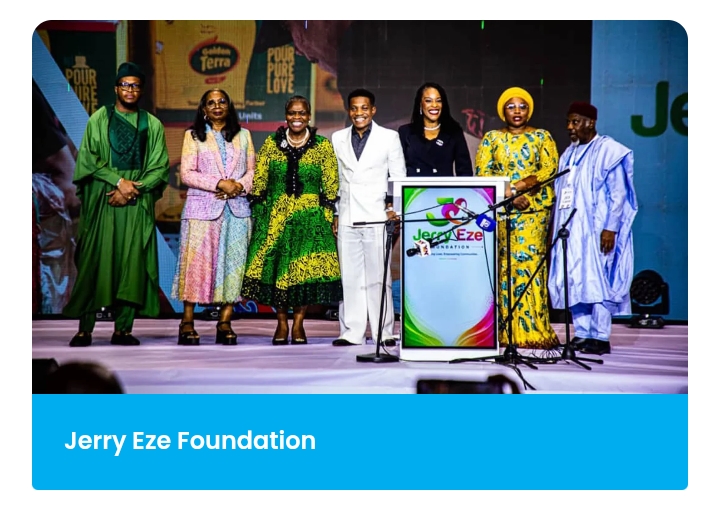
The Jerry Eze Foundation has taken a major step toward empowering small businesses in Nigeria, disbursing a total of ₦1 billion in grants to 240 entrepreneurs across the country. The grant award ceremony, held at the prestigious Transcorp Hilton Abuja, brought together an impressive mix of business leaders, clergy, entertainers, and public figures. The event highlighted the Foundation’s commitment to turning faith-driven initiatives into real economic impact. Each selected entrepreneur received $3,000 (approximately ₦ equivalent) to either start, scale, or transform their businesses. This financial support is expected to boost innovation and sustainability among small and micro enterprises nationwide. A Rigorous Selection Process To ensure transparency and fairness, global consulting firm KPMG was engaged to independently oversee the selection process. The numbers tell the story of how competitive the process was: Over 16,000 applicants registered on the grant portal 9,668 completed the application and met the criteria Only 240 entrepreneurs were selected Focus on Key Growth Sectors The Foundation prioritized businesses operating in strategic sectors critical to Nigeria’s economic growth: Agriculture and agribusiness Manufacturing Technology and digital services Driving Real Impact This initiative underscores the Foundation’s mission to create measurable economic transformation by empowering entrepreneurs with the resources they need to succeed. By investing in small businesses, the Jerry Eze Foundation is not just providing financial aid—it’s helping to build a stronger, more resilient economy powered by innovation and enterprise.

Tegbe Denies Promising to Fix Nigeria’s Power Grid in Three Months
Nigeria’s minister of power designate, Joseph Tegbe, has pushed back against reports claiming he promised to fix the country’s troubled national grid within three months. In a statement released on Thursday, his spokesperson described the reports as “inaccurate and misleading,” clarifying that no such commitment was made during his Senate screening on May 6, 2026. What Tegbe Actually Said According to the statement, Tegbe emphasized that no fixed timeline has been set yet for power sector reforms. He explained that any concrete timeline would depend on: Technical diagnostics Stakeholder consultations Sector-wide assessments Rather than making bold promises, Tegbe noted that reforms would be carefully planned and executed. Short-Term vs Long-Term Plans While dismissing the three-month claim, Tegbe did outline a more realistic approach: First 100 days: Begin efforts to stabilize the national grid Up to one year: Achieve meaningful progress in deeper structural reforms These reforms are expected to address critical issues such as: Power sector credibility Gas supply challenges Metering gaps Operational inefficiencies Commitment to Improvement During his screening, Tegbe assured lawmakers that Nigerians would begin to see visible improvements in the power sector. His broader goals include: Stabilizing the national grid Modernizing electricity infrastructure Strengthening commercial frameworks Enforcing accountability across the power value chain What About Electricity Tariffs? On tariff reforms, Tegbe struck a balancing tone. He assured that: Vulnerable households will be protected Policies will aim to balance affordability with sector sustainability Investor confidence and operational efficiency will remain priorities Final Note Tegbe also reaffirmed his openness to engaging with the media, urging journalists to verify information to prevent the spread of misinformation.
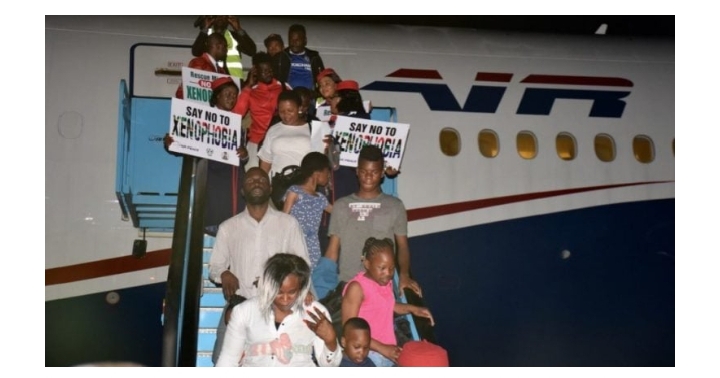
Over 130 Nigerians Seek Return from South Africa
Frank Onyekwelu, president of the Nigerian community in South Africa, says over 130 Nigerians have voluntarily registered for repatriation following renewed xenophobic attacks in the country. The federal government had earlier announced plans to begin the voluntary evacuation of Nigerians, with the Minister of Foreign Affairs, Bianca Odumegwu-Ojukwu, stating that President Bola Tinubu approved evacuation flights for those willing to return home. According to her, arrangements are ongoing to compile the details of affected citizens, with support from Nigerian associations in South Africa. The initial figure of 130 registrants is expected to rise as more Nigerians come forward. Speaking on Thursday, Onyekwelu confirmed that the number has already increased, noting that many Nigerians are facing economic hardship and struggling to survive. He explained that some individuals are dealing with documentation challenges, including delays in renewing residence permits or obtaining work authorization. These bureaucratic hurdles have made it difficult for many to secure or maintain employment. Onyekwelu added that several Nigerians have exhausted their savings after spending years in the country without stable income, prompting them to consider returning home to rebuild their lives. Health Challenges and Rising Costs He further revealed that health concerns and the rising cost of medical care are major factors influencing the decision to return. According to him, access to affordable healthcare has become increasingly difficult for foreign nationals, as some hospitals now require payment or referral to private facilities. As a result, many Nigerians believe returning home would offer more affordable healthcare options and better support systems, including staying with family and exploring local means of livelihood such as agriculture. Onyekwelu noted that for many, reintegration into Nigeria appears more sustainable than continuing under current conditions in South Africa.
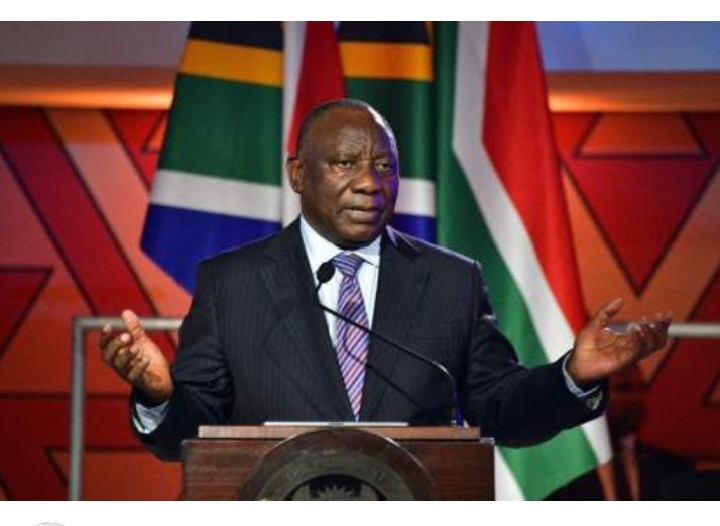
Ramaphosa Urges Unity Amid Xenophobic Attacks in South Africa
Cyril Ramaphosa has called for tolerance and unity following a wave of xenophobic attacks targeting African migrants in South Africa. The recent unrest has reportedly claimed the lives of at least two Nigerians, while several shops owned by foreign nationals have been looted. The violence has also sparked fear among schoolchildren of Nigerian descent, with some now reluctant to attend classes due to safety concerns. Migrants from countries such as Ghana and Zimbabwe have also been affected by the attacks. Speaking after a meeting with Daniel Chapo, president of Mozambique, Ramaphosa emphasized the importance of solidarity across the continent. He reminded citizens that many African nations supported South Africa during the era of Apartheid. According to him, South Africans are not inherently hostile to foreigners, but current economic pressures have heightened tensions. He stressed the need to balance compassion for migrants with the concerns of local citizens. Ramaphosa called on African nations to work together to address the issue, noting that the impact of the crisis extends beyond South Africa alone. He also urged employers to comply with immigration laws by hiring only individuals with valid work permits, while advising foreign nationals to ensure their documentation is in order. Despite the challenges, the president maintained that South Africa must remain a welcoming nation, guided by unity, mutual respect, and shared African identity.
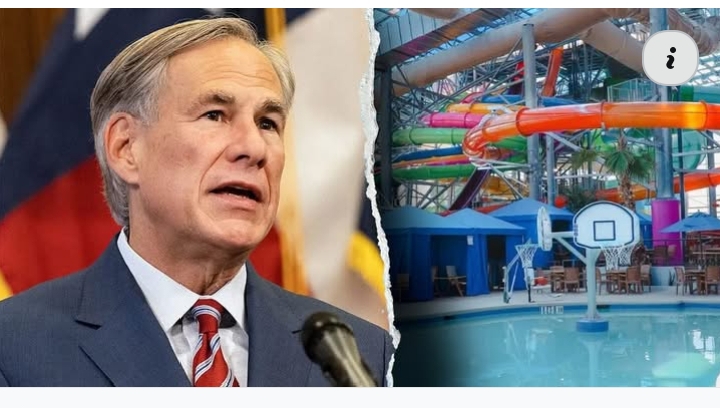
“Muslim-Only” Water Park Event in Texas Cancelled After Backlash
A planned Eid celebration at a popular indoor water park in Texas has been cancelled following public backlash and political pressure. The event, known as “Epic Eid,” was scheduled to take place on June 1 at Epic Waters Indoor Waterpark in Grand Prairie. Organized by a local Islamic group, the gathering was intended as a family-friendly celebration featuring halal food, a private prayer area, and a modest dress environment. Controversy Over “Muslim-Only” Label The event initially drew criticism after promotional materials described it as a “Muslim-only” gathering. The flyer also specified a strict dress code, requiring women to wear burkinis and men to wear swim trunks with shirts. Following the backlash, organizers quickly revised the messaging. References to “Muslim-only” were removed and replaced with “modest dress only,” alongside a clarification that “all are welcome.” According to the organizer, the goal was to create a comfortable space for families—especially those who prefer modest attire—to enjoy a recreational setting without feeling out of place. State Intervention and Event Cancellation Despite the changes, the controversy intensified. Texas Governor Greg Abbott threatened to withdraw public safety grants tied to the taxpayer-funded facility, raising concerns about the use of public resources for events perceived as exclusionary. Shortly after, officials from the City of Grand Prairie confirmed that the event had been cancelled, stating the decision was made “after further review and in the best interest of the city.” Background and Public Reaction This would have been the third time the Eid celebration was hosted at the venue. The park itself is city-owned and partially funded through a local sales tax. While some supported the idea of a culturally sensitive and modest environment, others argued that labeling the event as exclusive—especially at a public facility—was inappropriate. Even after organizers opened attendance to everyone, the initial framing continued to fuel debate online and among political figures.
ICPC Opposes El-Rufai’s Fresh Bail Application
The Independent Corrupt Practices and Other Related Offences Commission (ICPC) has filed a counter-affidavit opposing a fresh bail application by former Kaduna State Governor, Nasir El-Rufai. The application is part of an ongoing case before the Kaduna State High Court. At the resumed hearing on Tuesday, counsel to the defendant, Ubong Akpang, informed the court that a fresh bail application had been filed, noting that the matter directly concerns his client’s liberty. He added that all necessary processes had been filed and served, and that the defence was ready to proceed. However, ICPC counsel, Ibrahim Mukhtar, told the court he had only just been served with the defendant’s further affidavit in support of the application and needed time to review the new filings. The court subsequently adjourned the matter to May 13, 2026, for hearing. Court Earlier Denied Bail The court had previously refused to grant bail to El-Rufai. Justice D.H. Khobo ruled that the defendant failed to file a further affidavit to challenge the ICPC’s counter-affidavit, which introduced fresh allegations. These included claims that El-Rufai posed a flight risk due to his influence and resources, allegedly obstructed lawful arrest at the Nnamdi Azikiwe International Airport in Abuja, refused to surrender travel documents and devices, and could interfere with witnesses and evidence. The court stressed that bail is discretionary and must serve the interest of justice. It further noted that the defendant’s status could hinder ongoing investigations, particularly as some suspects remain at large. Justice Khobo also pointed out that El-Rufai did not contest key allegations in the prosecution’s filings, which were therefore deemed admitted. His health claims were dismissed for lack of supporting evidence. Consequently, the court denied bail and ordered that he remain in ICPC custody pending the commencement of trial, while directing an accelerated hearing. Despite this ruling, the defence has filed a fresh bail application. The ICPC reiterated its commitment to diligently prosecuting corruption cases while upholding due process.
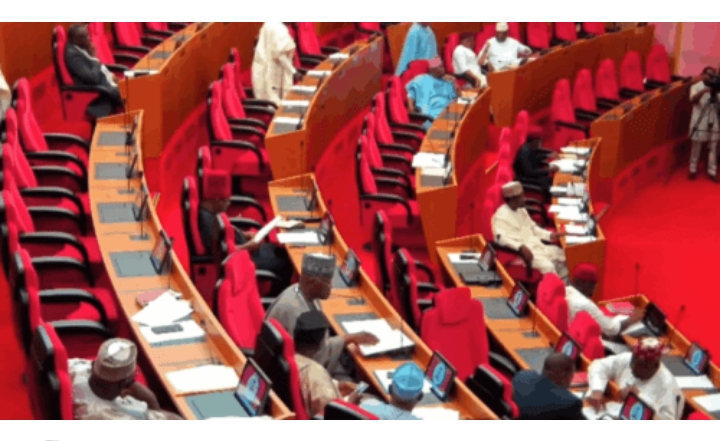
Senate Restricts Leadership Positions to Two-Term Senators
The Nigerian Senate has amended its standing rules, introducing stricter eligibility criteria for leadership positions in the chamber. Under the new amendment, only senators who have served at least two consecutive terms — equivalent to eight years — can contest for top presiding offices such as Senate President and Deputy Senate President. The decision was adopted during plenary on Tuesday through a voice vote presided over by Senate President, Godswill Akpabio, following a closed-door session that reportedly lasted about three hours. Key Changes to Senate Rules The revised rules also affect eligibility for principal offices, including Senate Leader, Chief Whip, Minority Leader, and their deputies. Going forward, only senators who have completed two consecutive terms immediately before nomination can contest for these roles. Additionally, amendments to Orders 4 and 5 now emphasize strict adherence to ranking when nominating candidates for leadership positions. Ranking is determined by prior experience, including former presiding officers, principal officers, returning senators, former House of Representatives members, and, where necessary, first-time senators. Impact on 2027 Senate Leadership The amendment is seen as a significant move ahead of the 2027 elections, as it effectively excludes incoming senators and limits the pool of potential contenders for leadership roles. This development comes amid speculation that some former senators may seek a return to the chamber and possibly contest for top positions. Other Notable Amendments Beyond leadership eligibility, the Senate introduced several procedural changes: Plenary Sessions: Now scheduled for Tuesdays to Thursdays, from 11:00 a.m. to 3:00 p.m., unless extended. Committee Meetings: Fixed between 3:00 p.m. and 6:00 p.m., Monday to Friday (with some exceptions). Committee Structure: Each committee will have between seven and 25 members, and no senator can serve on more than seven committees. Suspension Rule: Suspended senators must withdraw from plenary as directed, with duration determined by the Senate. New Committee: A committee on reparation and repatriation has been established. An unusual but notable change also allows presiding officers and nominees undergoing screening to drink water during plenary sessions. Dissenting Voice Senator Adams Oshiomhole was the only lawmaker to oppose the amendment during the voice vote. His attempt to raise a point of order was reportedly overruled by the Senate President.
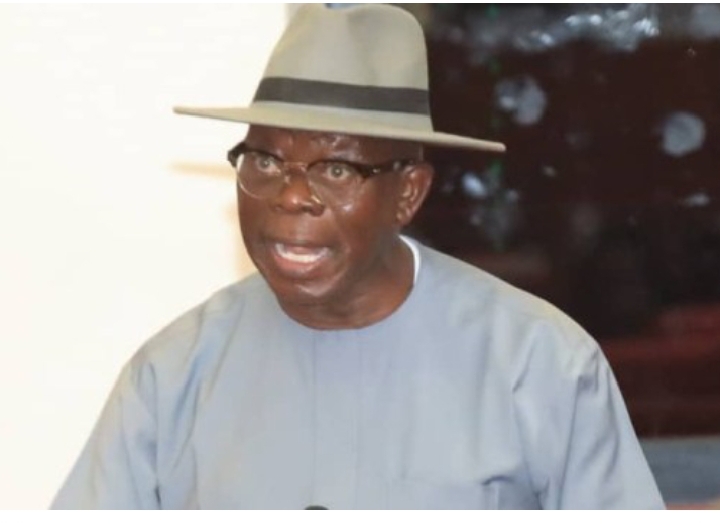
Oshiomhole Urges FG to Revoke MTN, DStv Licences Over Xenophobic Attacks
Senator Adams Oshiomhole has called on the Federal Government to take strong economic action against South African companies operating in Nigeria following renewed xenophobic attacks on Nigerians in South Africa. Speaking during plenary, the lawmaker representing Edo North urged authorities to revoke the licences of MTN Nigeria and DStv, both of which are South African-owned. He also encouraged Nigerian investors to step in and fill any resulting gaps. Oshiomhole argued that Nigeria must move beyond diplomatic protests and adopt a more assertive, reciprocal approach. “We didn’t come here to shed tears or sympathise alone. If you hit me, I’ll hit you. This is an economic struggle,” he said. According to him, companies like MTN and DStv generate significant revenue from Nigeria, and decisive action against them would send a strong message to South Africa. The former Edo State governor also emphasized that Nigerians living in South Africa are hardworking contributors to the economy, not dependents. “They are not there on holiday. They are there to work and earn,” he noted, adding that firm retaliation could compel South African authorities to better protect Nigerians. Oshiomhole linked the recent surge in xenophobic violence to internal political tensions in South Africa, where anti-immigrant sentiments have increasingly influenced public attitudes. Meanwhile, the House of Representatives has condemned the attacks, warning that the safety of Nigerians abroad must not be taken lightly. Lawmakers called for stronger diplomatic engagement and concrete measures to safeguard citizens. Also contributing to the debate, Senator Victor Umeh described the situation as alarming, stating that many Nigerians in South Africa now live in fear and face restrictions on their movement. He further urged the African Union to intervene, suggesting that sanctions could be considered if the attacks persist. Umeh stressed that the recurring violence should no longer be treated as isolated incidents.
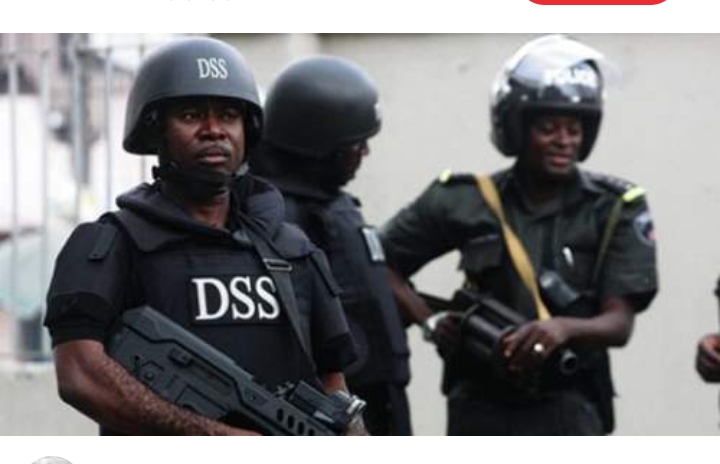
SERAP Rejects Court Ruling Awarding ₦100 Million to DSS Officials
The Socio-Economic Rights and Accountability Project (SERAP) has strongly opposed a recent judgment by a Federal Capital Territory High Court, which awarded ₦100 million in damages to officials of the Department of State Services (DSS) in a defamation case. The ruling, delivered by Justice Yusuf Halilu, also directed SERAP to issue a public apology, pay ₦1 million in legal costs, and a 10 percent annual interest on the damages until the full amount is settled. Background of the Case The lawsuit was initiated by two DSS officials, Sarah John and Gabriel Ogundele, following statements released by SERAP in September 2024. In those statements, the organization alleged that DSS operatives unlawfully entered its Abuja office. The incident reportedly occurred after SERAP called on the federal government to investigate issues involving the Nigerian National Petroleum Company (NNPC) Limited and to reverse fuel price increases. SERAP Reacts In response to the judgment, SERAP described the decision as “unacceptable” and a significant setback for civil liberties in Nigeria. The organization argued that the ruling reflects a growing trend of using defamation laws to silence criticism and weaken accountability. According to SERAP, the case represents what is known as a Strategic Lawsuit Against Public Participation (SLAPP), which is often used to intimidate civil society groups and discourage advocacy. Plans to Appeal SERAP has confirmed that it will challenge the judgment at the appellate court. The organization maintains that its actions were lawful and carried out in the public interest, particularly in promoting transparency and fighting corruption. Wider Implications SERAP warned that the ruling could have a chilling effect on freedom of expression and civic engagement in Nigeria. It emphasized that such decisions may discourage individuals and organizations from speaking out on issues of public concern. As the case moves to the appellate level, it is expected to spark further debate on the balance between protecting reputations and safeguarding free speech in Nigeria.

Mixed Reactions Trail Allegations Involving Laura Ikeji’s Husband
Social media has been buzzing with mixed reactions following allegations involving Ogbonna Kanu, husband of Nigerian influencer, Laura Ikeji. According to unverified reports circulating online, Ogbonna was allegedly involved in a relationship with a 23-year-old woman who reportedly believed he was single. The claims suggest that the relationship lasted for several months before she discovered his marital status through a third party. Further reports allege that after being confronted, he made certain promises before eventually cutting off communication. Additional controversial details have continued to surface online, although none have been officially confirmed. The allegations have sparked widespread reactions among Nigerians, with many expressing sympathy for Laura Ikeji, while others remain skeptical about the authenticity of the story. Some social media users questioned the credibility of the claims, suggesting it could be a case of blackmail, while others criticized the alleged actions and expressed concern over the situation. Others, however, pointed out that Ogbonna maintains an active social media presence where he occasionally shares photos of his wife and children, raising doubts about claims that the alleged partner was unaware of his marital status. As the story continues to unfold, many observers have urged caution, emphasizing the need to verify information before drawing conclusions.