
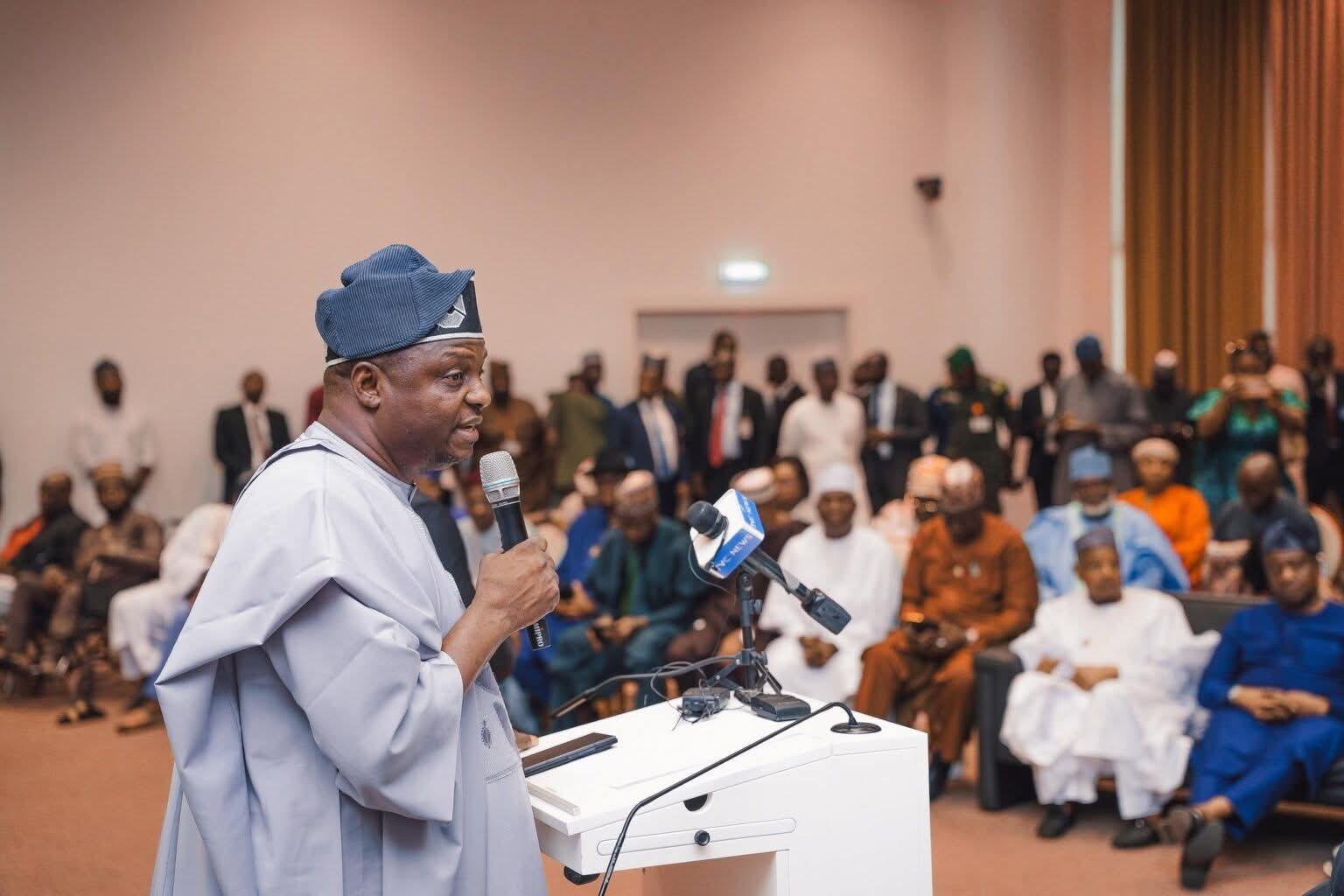
Nentawe Yilwatda, national chairman of the All Progressives Congress (APC), has warned that any aspirant who disrupts the party’s primary elections risks suspension. He gave the warning while addressing aspirants who recently completed screening by various party committees. In a statement issued by his special adviser on media and information, Abimbola Tooki, Yilwatda cautioned that aspirants and their supporters must avoid actions capable of undermining the process. He said those involved in violence, unrest, anti-party activities, or any attempt to compromise the integrity of the primaries would face strict disciplinary measures. The APC chairman urged all aspirants contesting for elective positions to demonstrate discipline, maturity, and statesmanship as the party prepares for its nationwide primaries. He reaffirmed the party’s commitment to conducting transparent, peaceful, and credible primaries, noting that this is essential to strengthening internal democracy and maintaining public confidence. Yilwatda stressed that the APC would not allow personal ambition to override the collective interest of the party, adding that every contest naturally produces both winners and losers. “In every democratic contest, only one person emerges victorious. What matters is the spirit in which the process is approached,” he said, urging aspirants to accept outcomes in good faith and uphold democratic values. He also encouraged aspirants to act as ambassadors of the party and promote unity throughout the process. Yilwatda commended President Bola Tinubu for efforts to strengthen democratic institutions and internal party processes, despite prevailing challenges. According to him, the administration has made progress through reforms aimed at economic growth and stability, including investments in infrastructure, rail transport, agriculture, energy, and support for small businesses. He further called on party stakeholders to align with the administration’s “Renewed Hope” agenda and avoid actions that could create division or heighten political tension.
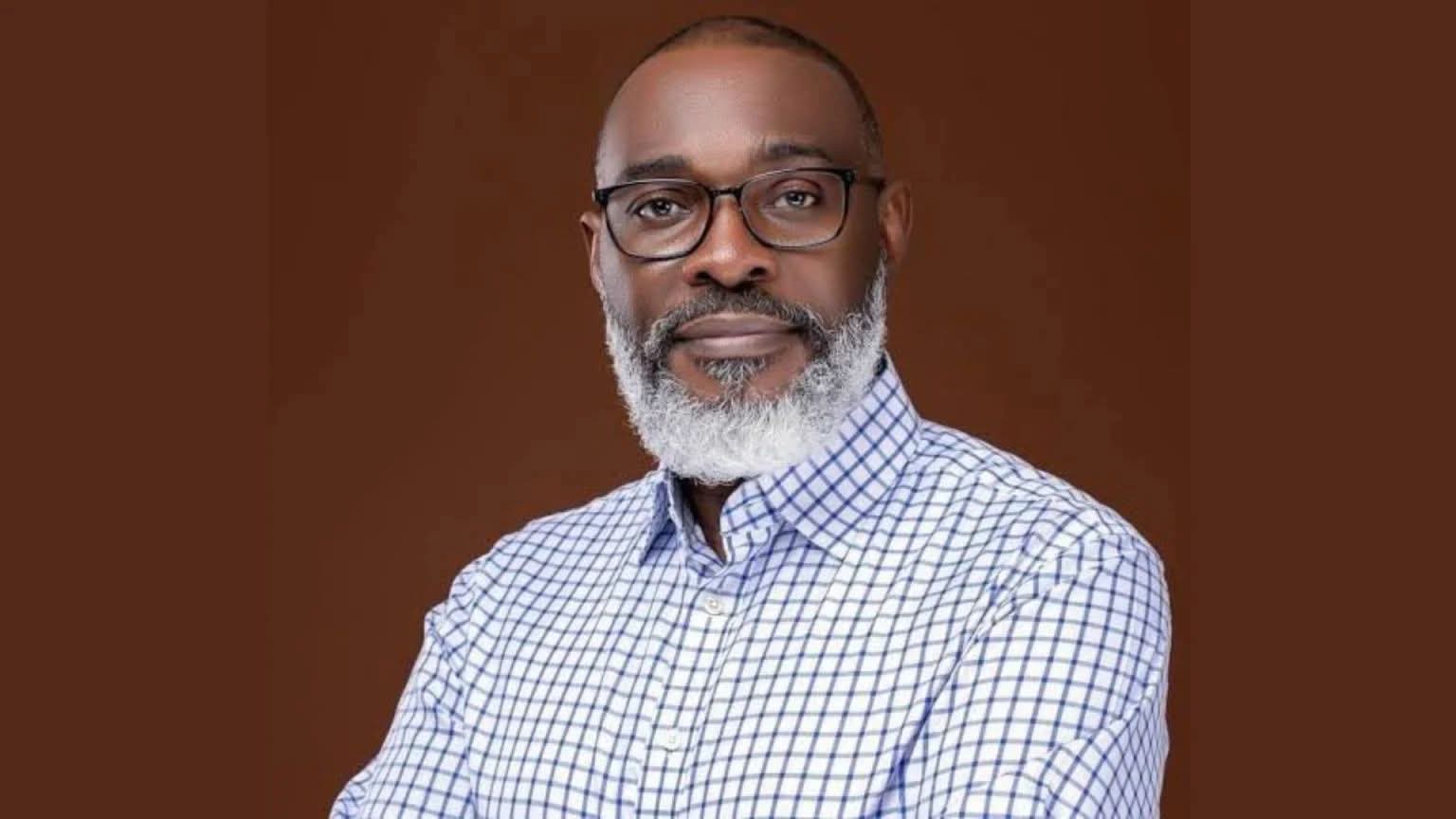
CLOSE-UP: Adeyinka Famadewa, the general challenging Nigeria’s military-first security model
A new concept has entered Nigeria’s security framework — homeland security — and retired Major General Adeyinka Famadewa has been appointed to lead its implementation. His appointment, announced on Monday by the Office of the Secretary to the Government of the Federation (OSGF), has drawn attention not just because of the role itself, but also because of his long-standing views on how Nigeria approaches security. Before now, Famadewa was largely known within defence and intelligence circles. His emergence into the national spotlight has sparked mixed reactions, with some observers questioning whether the role represents meaningful reform or another structural addition to an already complex security system. As special adviser on homeland security, he is expected to strengthen coordination across agencies, improve intelligence sharing, and promote proactive strategies to address threats across the country. From chemistry to intelligence leadership Famadewa, a native of Ile-Ife in Osun state, began his military career in 1990 after being commissioned into the Nigerian Army Intelligence Corps as part of the 37 Regular Course of the Nigerian Defence Academy (NDA), Kaduna. He holds a degree in chemistry from the NDA, a master’s degree in business administration from the Federal University of Technology, Akure, and a master’s in strategic studies from the University of Ibadan. His professional development includes training at top institutions such as Harvard University’s Kennedy School of Government, the Canadian Forces College in Toronto, the George Marshall Center in Germany, and the Galilee International Management Institute in Israel. He is also a fellow of the National Defence College (NDC). Throughout his career, he held several key positions, including chief instructor at the Nigerian Army Intelligence School in Lagos, deputy director of technical development at the Defence Intelligence Agency (DIA), commander of the Nigerian Army’s counter-intelligence command, and director at the intelligence production centre. He also served in the United Nations Mission in Sudan (UNMIS) and received multiple honours, including the Meritorious Service Star (MSS). A different perspective on national security Famadewa has consistently criticised Nigeria’s reliance on the military as the primary solution to insecurity, advocating instead for a broader, more integrated strategy. In a 2023 article, he compared Nigeria’s security discourse to Salt-N-Pepa’s song “Let’s Talk About Sex,” arguing that while the topic is widely discussed, meaningful outcomes remain limited. He has called for a clearer definition of national security and a comprehensive review of Nigeria’s security strategy. He also emphasised the importance of cultural and linguistic understanding, suggesting that military personnel should be proficient in major Nigerian languages — Hausa, Igbo, and Yoruba — to improve effectiveness in operations. Bridging theory and practice One of Famadewa’s most notable contributions is the establishment of the Intelligence Fusion Centre (IFC) at the Office of the National Security Adviser (ONSA). Between 2015 and 2021, he served as principal general staff officer to the NSA, during which time the IFC was developed to unify intelligence from agencies such as the DSS, NIA, DIA, and the Nigeria Police. The initiative aimed to enhance coordination and improve Nigeria’s ability to detect and respond to threats more efficiently. His work in this area is widely regarded as a key step in modernising the country’s intelligence-sharing framework. More recently, he has advocated for a reassessment of Nigeria’s intelligence systems to better anticipate and prevent attacks, particularly from insurgent groups. Research and contributions after retirement Following his retirement, Famadewa became a senior research fellow at the Nigerian Army Resource Centre in Abuja, where he focused on policing, civil-security collaboration, and reforms within the security sector. He is also the author of “Policing and National Security in Nigeria,” a monograph that explores ways to improve cooperation among security agencies and strengthen national safety structures. Famadewa’s new role offers him the opportunity to move from critique to implementation — testing whether his long-held ideas can translate into tangible improvements in Nigeria’s security landscape.
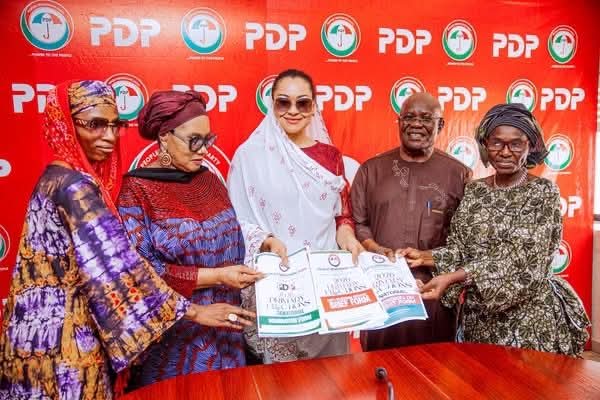
2027: Natasha Akpoti-Uduaghan Files PDP Nomination for Kogi Senate Re-Election Bid
Senator Natasha Akpoti-Uduaghan has officially submitted her nomination and expression of interest forms to contest for a second term representing Kogi Central Senatorial District under the Peoples Democratic Party ahead of the 2027 general elections. She presented the forms on Monday at the party’s national secretariat in Abuja, accompanied by supporters, political allies, and party members. Speaking after the submission, Akpoti-Uduaghan thanked residents of Kogi Central and PDP stakeholders for their continued support, describing her re-election bid as part of her ongoing commitment to service and democratic development. She emphasized that her ambition goes beyond personal goals, noting that her focus remains on strengthening representation, empowering women and youths, and ensuring that communities benefit from democratic dividends. Looking ahead, the senator outlined key priorities for a potential second term, including infrastructure development, improved healthcare, quality education, and expanded economic opportunities across the district. “We have started a movement rooted in hope, inclusion, and progress,” she said, expressing confidence that with public support, her vision for a more inclusive and prosperous Kogi Central can be sustained. Akpoti-Uduaghan also confirmed the development in a Facebook post, reiterating her dedication to serve with “greater purpose, courage, and commitment.” The 46-year-old lawmaker had earlier declared her intention to seek re-election on April 27 during a PDP stakeholders’ meeting in Kogi Central, following consultations and endorsements across the district’s five local government areas.

Toyosi Adesanya: Some Women Joined Acting to Pursue Established Stars
Nollywood actress Toyosi Adesanya has claimed that, in the past, some young women entered the acting industry not out of passion for the craft but to form relationships with already established actors. Speaking during an interview on the Nollywood on Radio podcast, Adesanya recalled starting her acting career in 1992 with the Odunfa Caucus — a theatre group founded by Taiwo Hassan, Yinka Quadri, Abbey Lanre, and Ara Ọsan. She pushed back against widespread claims that male actors often harass women for roles, arguing instead that, in many cases, the situation is reversed. According to her, some aspiring actresses deliberately pursued actors and producers. Adesanya said she personally witnessed numerous instances of women joining the Odunfa Caucus because of their interest in figures like Taiwo Hassan and Yinka Quadri. She added that this trend still exists today, noting that some newcomers enter the industry through connections, only to begin relationships with other influential figures shortly after. She also pointed out that those who initially introduce them into the industry often lack the influence to protect them, as complaints could lead to blacklisting. Reflecting on her own journey, Adesanya emphasized that she maintained her dignity throughout her career and refused to compromise herself, even while traveling to different film locations. She also criticized the current state of the industry, lamenting that some individuals without proper training now claim stardom simply because they have financial backing. In contrast, she highlighted that actors who trained under established theatre groups were once given stipends to support themselves while learning the craft.
What states contributed to the VAT pool and what they received in February 2026.

Dozens of Nigerian Fishermen Feared Dead After Chadian Air Strikes on Lake Chad
Dozens of Nigerian fishermen are feared dead following air strikes by the Chadian military targeting jihadist positions on Lake Chad, according to AFP. Citing a civilian militia member and an official from a Lake Chad fishermen’s union, the report said Chadian fighter jets bombarded two islands believed to be under the control of Boko Haram. At least 40 Nigerian fishermen have been reported missing and are feared drowned in the aftermath of the bombardment. The exact death toll remains uncertain, as military operations continue across the vast waterways and marshlands shared by Nigeria, Cameroon, Niger, and Chad. A militia source said the Chadian military had been carrying out strikes on islands on the Nigerian side of the lake since Friday, following recent attacks on Chadian troops by Boko Haram fighters. The source described “huge casualties” among fishermen operating in the area—many of whom reportedly pay levies to Boko Haram for access to fishing zones. “The bombing was concentrated on the jihadist stronghold of Shuwa Island, where Nigeria, Niger and Chad meet on the lake,” the report said. A fisherman from Baga in northeastern Nigeria was quoted as saying, “Many people were killed.” AFP added that most of the victims were believed to be from Doron Baga, a fishing community along the Nigerian shore of Lake Chad, as well as from Taraba State. “It is not a secret that Nigerian fishermen pay tax to Boko Haram to access remote islands with abundant fish,” a source said. “Boko Haram transports them by boat to these islands and returns them with their catch.” The Chadian military had not issued an official statement on the incident as of the time of reporting. The development comes days after Boko Haram launched two separate attacks on Chadian military positions near Lake Chad, reportedly killing at least 24 soldiers and two senior generals. In October 2024, Chad’s military faced similar accusations after air strikes targeting militants on Tilma Island reportedly killed dozens of Nigerian fishermen.

FG Introduces Mandatory Drug Testing for Secondary School Students
The federal government has announced a new policy requiring compulsory drug testing for both newly admitted and returning secondary school students across Nigeria. The directive is part of the National Implementation Guidelines Against Drug and Substance Use in Schools, aimed at tackling the growing concern of substance abuse among adolescents. What the Policy Says Under the new guidelines, all newly admitted students will undergo drug tests at the point of entry into secondary school. In addition, returning students will be subject to periodic testing at least once every academic session. The government says the initiative is designed to create a safer and more supportive learning environment by addressing the impact of substance abuse on students’ mental health and academic performance. Zero Tolerance for Drug Use The policy clearly prohibits students from using or possessing narcotics, controlled drugs, or any substance of abuse without proper authorization from school authorities. To enforce compliance, schools are required to set up disciplinary committees. Cases involving violence linked to substance abuse must also be reported to law enforcement agencies. Three-Stage Intervention Process Students who test positive for drugs will go through a structured intervention process: First Test: The student receives counselling and initial treatment within the school system. Second Test: If the student tests positive again, they will be referred to a professional for further treatment and support. Third Test: A third positive result will lead to temporary suspension, allowing the student to undergo rehabilitation under professional care. Students who refuse treatment or rehabilitation may also face temporary suspension until they are deemed stable. Focus on Counselling and Support The policy places strong emphasis on counselling. Students will receive both pre-test and post-test counselling: Pre-test counselling helps prepare students, reduce anxiety, and build trust before testing. Post-test counselling ensures students understand their results and are connected to appropriate support, regardless of the outcome. Addressing a Growing Concern This move comes in response to rising cases of drug and substance abuse among young people in Nigeria. By combining testing, counselling, and rehabilitation, the government hopes to identify at-risk students early and provide the help they need. Overall, the policy signals a shift toward not just discipline, but also prevention and support—aimed at fostering healthier, drug-free school environments.
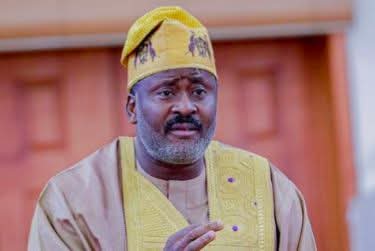
What Has Desmond Elliott Done for Surulere?
This question has become a recurring theme in Nigerian political conversations—but it also exposes a deeper issue: many voters don’t fully understand what elected officials are actually meant to do. Understanding the Role A state legislator isn’t expected to singlehandedly “develop” their constituency in the way people often imagine. Their primary responsibility is to represent their people—protecting their interests during lawmaking, influencing policy, and attracting government projects to their area. So, expecting someone earning a modest public salary and imprest to build factories, roads, and stadiums is, frankly, unrealistic. Looking at the Record The narrative that Desmond Elliott has done little for Surulere doesn’t hold up under scrutiny. A detailed 198-page report titled “My Surulere and I So Far” outlines his legislative and constituency efforts, including: 11 motions sponsored 42 motions co-sponsored 2 key bills, including: Lagos State Tourism Promotion Agency Law Lagos State Public Works Corporation Bill Contributions to 32 enacted laws Leadership roles in 4 committees and membership in 12 others Beyond legislation, the report also highlights interventions across infrastructure, healthcare, welfare, sports, and entertainment. By any objective measure, that’s far from inactivity. So Why the Backlash? Here’s where things get political. Surulere, like many constituencies, has multiple elected representatives—from local government officials to senators and the governor. Yet, Elliott seems to bear the brunt of public criticism. Why? From conversations with stakeholders and local observers, a pattern emerges: internal political dynamics may be at play. If Elliott secures another term, he could become a ranking member of the Lagos State House of Assembly—positioning him for more influential roles. That possibility doesn’t sit well with certain power brokers, who appear to favor a different candidate. The “Fresh Faces” Argument A common argument is that after 12 years in office, Elliott should step aside for new leadership. On the surface, that sounds reasonable. But history tells a different story. Femi Gbajabiamila, a political heavyweight from the same area, held office for multiple consecutive terms—six, in fact—and likely would have continued if not for his current national role. So, if precedent allows long-term representation, why is Elliott’s case being treated differently? A Contest of Power, Not Performance What’s unfolding in Surulere looks less like a referendum on performance and more like a classic power struggle. Despite efforts to sideline him, Elliott appears to retain grassroots support. Reports from campaign events suggest his name still resonates strongly among constituents. Attempts to impose a consensus candidate have failed, leading to a competitive primary—something that may indicate shifting dynamics within the party. Final Thoughts At its core, this isn’t just about one politician. It’s about how democracy functions at the local level—how narratives are shaped, how power is contested, and how voters interpret leadership. Is Desmond Elliott perfect? No politician is. But the real question might not be “What has he done?”—it might be “Are we asking the right questions about governance?” As this story continuesh to unfold, one thing is clear: Surulere is witnessing more than a political contest—it’s a test of process, perception, and power.
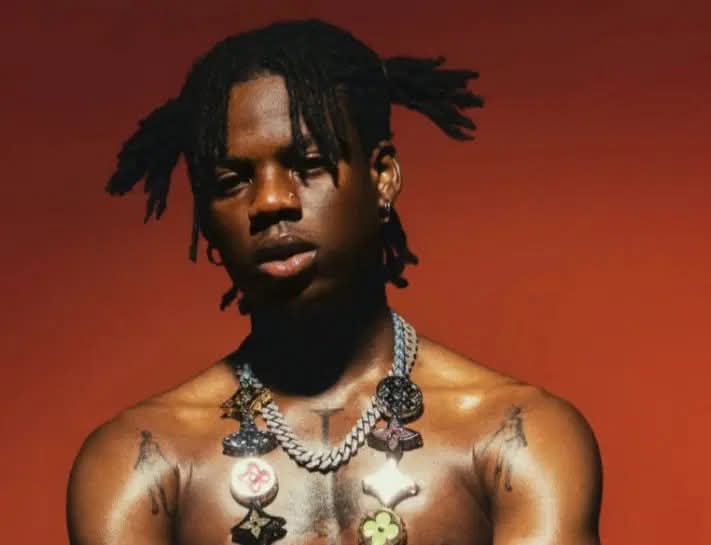
The global football governing body said the lineup “reflects the cultural diversity of the United States and the vibrance of its many diasporas,” while highlighting “the power of music to bring people together across the country.”
This marks another major international stage for Rema, as he continues to cement his status as one of Africa’s leading global music exports. Last Thursday, Colombian superstar Shakira unveiled Dai Dai as the official theme song for the 2026 FIFA World Cup, featuring Grammy-winning Nigerian artist Burna Boy. The 2026 FIFA World Cup will be co-hosted by the United States, Canada, and Mexico. It kicks off on June 11, 2026, with the opening match at the iconic Estadio Azteca in Mexico City.

FirstHoldCo Targets ₦1 Trillion Capital Base in Bold Expansion Push
FirstHoldCo Plc, the parent company of First Bank of Nigeria, is setting its sights on a ₦1 trillion capital base as part of an ambitious plan to strengthen its balance sheet and drive aggressive expansion. In a notice ahead of its 14th Annual General Meeting (AGM) scheduled for May 29, 2026, the group proposed raising up to ₦253.1 billion in fresh capital. The goal is to significantly boost its paid-up capital—comprising share capital and share premium—to the ₦1 trillion mark. The capital raise may be executed through multiple channels, including public offers, private placements, rights issues, bonus issues, scrip dividends, or other equity instruments across local and international markets. The structure, pricing, and timing will be determined by the board, subject to regulatory approvals. Otedola’s ₦1 Trillion Vision Chairman Femi Otedola has positioned the move as more than a regulatory requirement, describing it as a strategic step toward building stronger, more resilient financial institutions. He has also advocated for the Central Bank of Nigeria (CBN) to raise the minimum capital requirement for international banking licenses from ₦500 billion to at least ₦1 trillion, arguing that a growing economy cannot rely on undercapitalised banks. FirstHoldCo has already taken several steps to strengthen its capital base, including a rights issue, private placements, and the divestment of its merchant banking arm, FBNQuest. The group recently completed a ₦45 billion private placement in March 2026. The proposed ₦253 billion raise is expected to close the gap toward its ₦1 trillion target, potentially resetting the competitive benchmark among top-tier banks. Strong Performance Driving Investor Confidence The group’s strong financial performance is expected to support investor interest. In Q1 2026, FirstHoldCo reported a 72% year-on-year increase in Profit Before Tax (PBT) to ₦321.1 billion, outperforming many of its tier-1 peers. It also recorded a Return on Equity (ROE) of 31.6% (annualised), the highest among leading banks, reflecting improved capital efficiency. This performance follows a major balance sheet clean-up in late 2025, which saw the resolution of ₦826 billion in legacy debt. Leadership and Governance Reforms The transformation is being driven by a restructured leadership team. Wale Oyedeji, Group Managing Director of FirstHoldCo, and Olusegun Alebiosu, CEO of First Bank, are leading efforts to strengthen operations and risk management. Alebiosu, a former Chief Risk Officer, has prioritised asset recovery, with ₦19 billion recovered from delinquent loans in Q1 2026 alone—marking a significant turnaround. Under Otedola’s leadership, the group has also enhanced corporate governance by tightening internal controls and appointing new boards across its non-banking subsidiaries.