

Pressure is mounting on the Chairman of the Independent National Electoral Commission (INEC), Prof. Joash Ojo Amupitan, to step down following allegations linking him to pro-Tinubu posts on X (formerly Twitter). Civil society groups, opposition figures, and Nigerians in the diaspora have raised concerns that the controversy could undermine public trust in the electoral body ahead of the 2027 general elections. On Monday, protesters gathered at INEC’s Lagos office and outside the UK Parliament, demanding Amupitan’s resignation. The demonstrations were supported by diaspora groups and the youth wing of the African Democratic Congress (ADC). A coalition known as the Movement for Credible Elections (MCE), led by prominent figures including Pat Utomi, Femi Falana, and Oby Ezekwesili, described the situation as a “crisis of credibility.” The group urged Amupitan to step aside to allow for an independent and transparent investigation. They warned that the controversy could damage Nigeria’s democratic process, stressing that trust in the electoral body is essential for credible elections. Meanwhile, INEC has dismissed the allegations, stating that a forensic investigation found no evidence linking the chairman to the disputed X account. According to the commission, the posts were part of a coordinated disinformation campaign. INEC cited technical inconsistencies, including timestamp errors, and noted that the account had been altered and labeled as a parody. It also denied any connection between the account and Amupitan’s personal details, such as his phone number or email. Despite this, skepticism remains high. Critics have questioned the independence and credibility of the investigation, with many Nigerians expressing doubts on social media and calling for a more transparent probe. The ADC youth wing also staged a protest in Lagos, insisting that Amupitan must resign to restore confidence in the electoral system. The protest followed earlier demonstrations in Abuja involving key political figures. An APC chieftain, Farouk Adamu Aliyu, called for an independent investigation, stating that Amupitan should be removed if the allegations are proven. He emphasized that the credibility of INEC is crucial to maintaining stability and public trust. The controversy stems from viral screenshots of an X account allegedly linked to Amupitan, which appeared to show support for the ruling party during the 2023 elections. While some analyses suggest possible connections, they fall short of definitive proof. As reactions continue to pour in, many Nigerians warn that failure to address the issue transparently could erode voter confidence and affect participation in future elections.
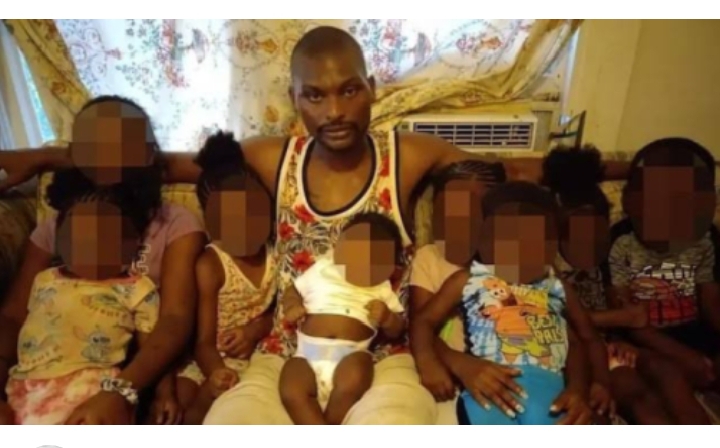
A 31-year-old man, Shamar Elkins, who fatally shot eight children on Sunday morning in Shreveport, has been identified as the father of seven of the victims.
The eighth child was a cousin of the deceased children. The victims, aged between three and 11, were killed in a shooting that also left two women seriously injured. A teenager sustained additional injuries that were not considered life-threatening. According to police, officers responded to reports of gunfire on West 79th Street at about 6:00 a.m. The crime scene spanned two homes on that street and a third residence on nearby Harrison Street. Authorities said the suspect initially shot a woman on the street before proceeding to a nearby home, where he carried out the attack on the children. One of the victims managed to escape to a nearby residence and alert the police. Police spokesperson Chris Bordelon confirmed that officers later shot and killed the suspect during a chase in Bossier Parish. He was the only suspect linked to the incident.
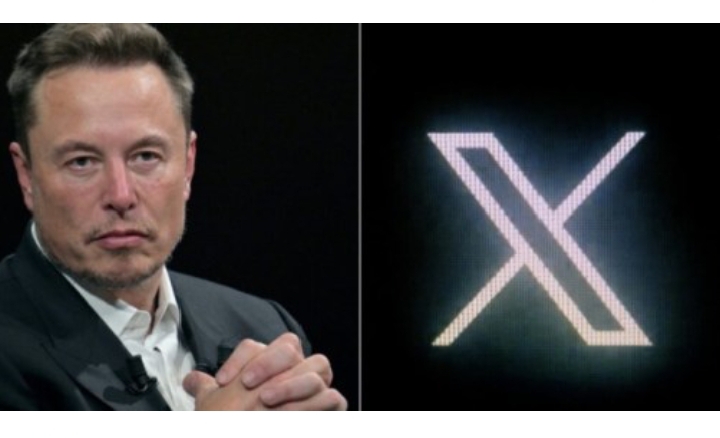
France has summoned Elon Musk as part of an ongoing investigation, according to the Paris prosecutor’s office on Saturday. Authorities have not disclosed when or where the interview will take place.
The probe centers on suspected criminal offenses linked to X, including alleged complicity in the possession of child sexual abuse material and the denial of crimes against humanity. The company has dismissed the investigation, describing it as “politically motivated.” ‘Serious Concerns’ The French case is part of a wider global backlash over Grok, an AI tool associated with X, after reports showed users could generate sexualised images of women and children using simple prompts. A report by the Center for Countering Digital Hate (CCDH) found that about three million sexualised images were created within 11 days—mostly involving women, but including around 23,000 that appeared to depict children. Separately, the UK’s data regulator launched its own investigation into X and xAI in February, citing “serious concerns” over possible breaches of personal data laws tied to Grok’s deepfake image generation. The European Union has also opened a probe into the platform over similar issues involving the creation of sexualised deepfake content featuring women and minors.
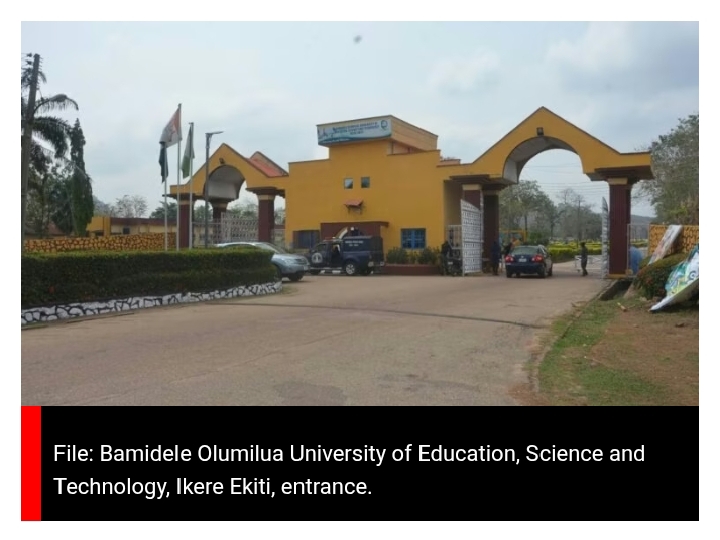
Three Dead in Ekiti Party Stampede
Three people have lost their lives following a stampede at a party in Ikere-Ekiti, Ekiti State. The incident occurred after the second convocation ceremony of Bamidele Olumilua University of Education, Science and Technology. Students who attended the ceremony on Saturday later gathered at a hotel in the town to celebrate. The situation turned chaotic in the early hours of Sunday when confusion broke out during the event. Panic spread among attendees, leading to a rush for the exit and resulting in a deadly stampede. The Ekiti State Police Command confirmed the incident and said an investigation is underway to determine the cause. According to the police spokesperson, Sunday Abutu, the Commissioner of Police, Michael Falade, has ordered a full probe into the matter. Preliminary findings indicate that the party continued late into the night before a disagreement between two students escalated into a physical altercation. The clash reportedly triggered panic, forcing others at the venue to flee. In the process, three people died — two students whose identities are yet to be confirmed, and a hotel staff member. The bodies of the deceased have been deposited in a morgue, where autopsies will be conducted. Police authorities say efforts are ongoing to establish the full circumstances surrounding the incident and identify those involved in the altercation. The Commissioner of Police also extended condolences to the families of the victims, assuring that a thorough investigation will be carried out.
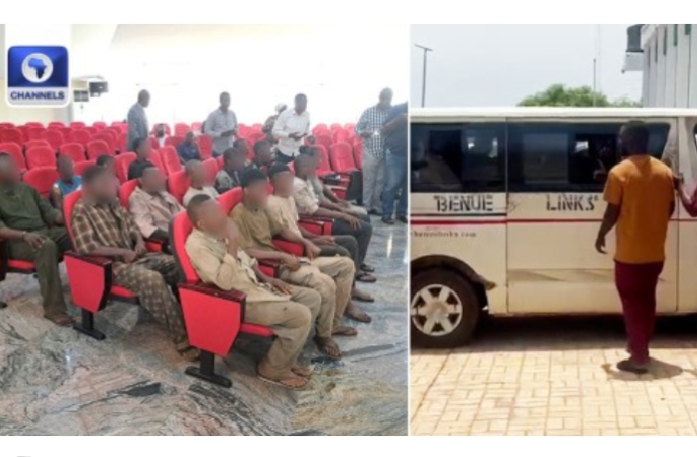
All 18 passengers abducted from a Benue Links bus on April 15, 2026, have been rescued, with authorities confirming they are safe following a joint security operation.
The Commissioner of Police in Benue State, Ifeanyi Emenari, disclosed this on Sunday while presenting 15 of the rescued victims to Governor Hyacinth Alia at the Government House in Makurdi. Emenari said the operation, carried out in collaboration with other security agencies, led to the successful recovery of all the victims. He also confirmed the arrest of seven suspects linked to the incident, describing it as a major breakthrough in the investigation. The suspects are currently in custody. The rescued victims are expected to receive medical attention as investigations continue. Governor Alia commended security operatives and community members for their role in the rescue. He also revealed that eight of the victims were candidates of the ongoing Unified Tertiary Matriculation Examination (UTME), who were travelling to Otukpo at the time of the attack. This disclosure contradicts earlier statements by both the police and the Joint Admissions and Matriculation Board (JAMB), which had indicated that no UTME candidates were among those abducted. Gunmen had intercepted the state-owned Benue Links bus last Wednesday along the Benue Burnt Bricks area in Otukpo Local Government Area, robbing passengers before taking several of them into the bush. Security operatives launched a coordinated search across nearby areas, leading to the rescue of some victims, while two others escaped from captivity. Police confirmed on Sunday morning that the remaining 13 victims had been freed, completing the rescue operation.
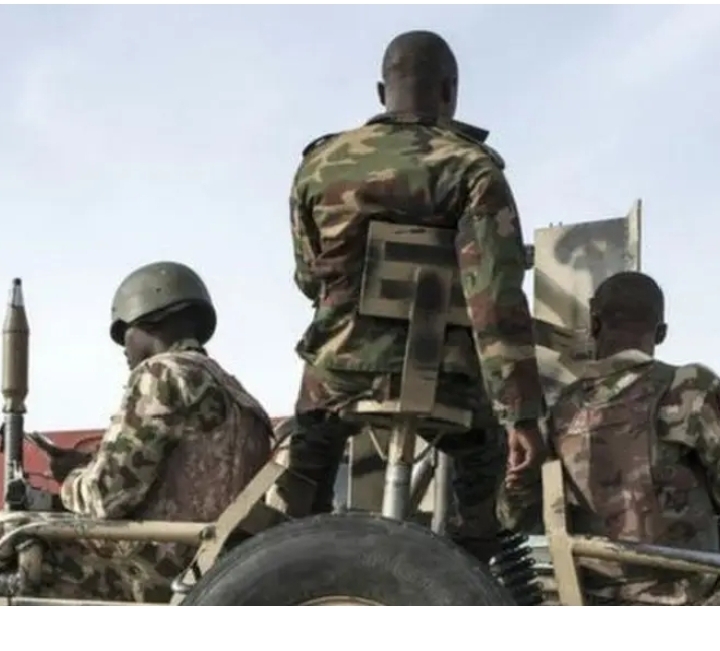
Army arrests over 20 suspected terrorists in nationwide operations
The Nigerian Army has arrested over 20 suspected terrorists and other criminals in coordinated nationwide operations carried out within the last 24 hours, as part of ongoing efforts to combat insurgency. According to an operational report released on Sunday at the Army Headquarters in Abuja, the arrests followed intelligence-led offensives conducted in collaboration with other security agencies and local vigilantes. The operations targeted terrorist hideouts, kidnapping syndicates, and criminal networks across several states. In Kogi State, troops of the 12 Brigade, working with the Nigerian Police and vigilantes, carried out operations in Kakuma Ileteju/Origa and Ijumu villages, leading to the arrest of two suspected terrorists. Two motorcycles and two chainsaws were also recovered. In Kaduna State, troops of Sector 1 Operation FANSAN YAMMA apprehended a suspect at Afaka, who reportedly confessed to fleeing a terrorist camp due to internal clashes among members. In Sokoto State, troops of the COAS Intervention Battalion VII, alongside 8 Division Nigerian Army Stalkers, cleared multiple villages in Tangaza Local Government Area, destroying a terrorist camp and recovering camouflage trousers. Operations in Niger State led to the rescue of a Nigerien national who had been held captive for over three weeks. Troops also disposed of an improvised explosive device (IED), arrested five suspects, and dismantled terrorist camps and illegal mining sites. In Kwara State, troops responded to a distress call, forcing kidnappers to abandon three victims. Similarly, in Edo State, troops rescued victims, arrested five suspected kidnappers, and recovered an AK-47 rifle, ammunition, and mobile phones. In Delta State, a suspected IPOB member was arrested at Umunede Junction. In the South-South region, troops of the 2 Brigade raided drug hideouts in Akwa Ibom State, arresting six suspects and recovering various illicit substances, including cannabis, methamphetamine, codeine, and tramadol, along with cash. In Rivers State, troops dismantled illegal oil bunkering infrastructure, recovering pipes, hoses, drum ovens, receivers, and other equipment used in refining activities. In Plateau State, troops of Operation ENDURING PEACE intercepted criminal elements, arresting nine suspects and recovering firearms, ammunition, motorcycles, mobile phones, and cash. In Abia State, troops discovered sacks of suspected stolen crude oil concealed along the Imo River axis in line with operational directives.
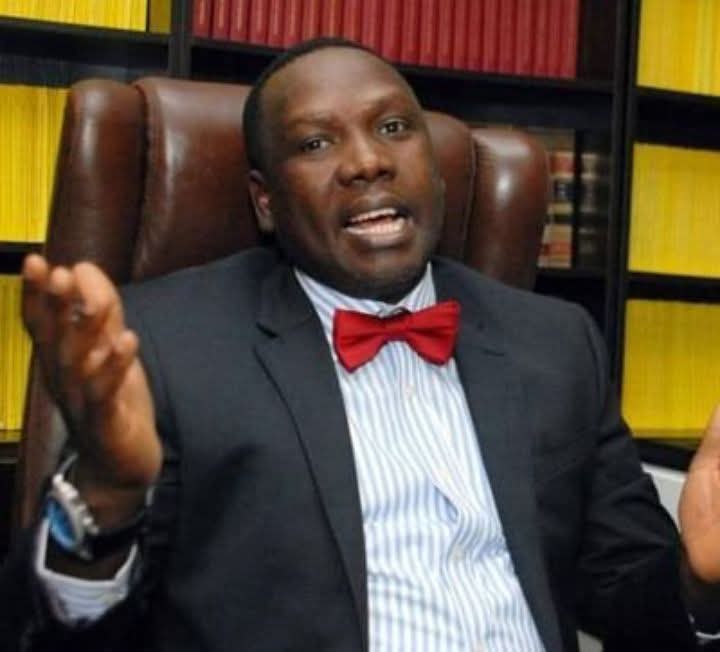
Electricity in Nigeria Progress or Political Spin?
The Special Adviser to the President on Policy Communication, Daniel Bwala, has claimed that electricity supply has improved across parts of Nigeria under the administration of Bola Tinubu. Speaking during an appearance on ARISE News, Bwala argued that Nigerians now enjoy better access to power compared to 2015 and even 2023. “Light has improved in parts of the country; Nigerians have more power now than they did in 2015 and 2023,” he stated. According to him, this progress is not accidental but the result of deliberate policy decisions and legislative reforms aimed at restructuring Nigeria’s power sector. Bwala explained that the government has created a more flexible legal framework, enabling states, local governments, and private investors to actively participate in electricity generation and distribution. “We have created the legislative environment that has given rise to the capacity of states, local governments, and even the private sector to participate in both generation and distribution of power,” he added. These reforms, he noted, are intended to open up the electricity market and address long-standing supply gaps. While challenges persist, Bwala maintains that the changes are already translating into improved electricity availability in various parts of the country. Despite these claims, many Nigerians remain skeptical. For a large number of citizens, inconsistent power supply, high tariffs, and frequent outages still define daily reality. Critics argue that statements like these feel disconnected from the lived experiences of ordinary Nigerians, raising questions about whether the reported “improvements” are widespread or limited to select areas. As the debate continues, one thing is clear: Nigerians are less interested in political assurances and more concerned with stable, reliable electricity that meets their everyday needs.
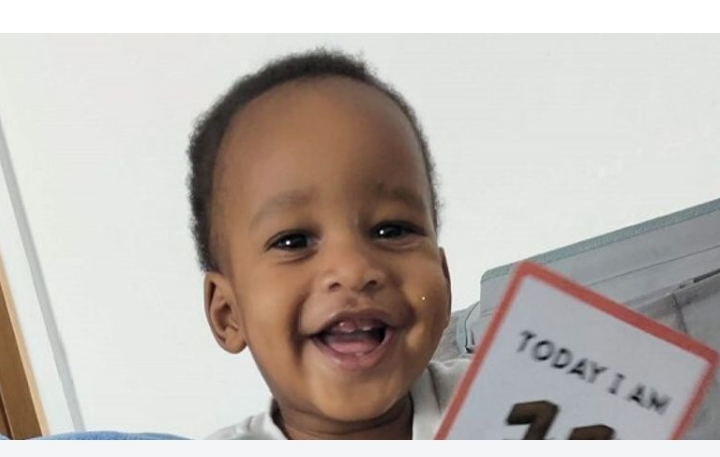
High Court Sentencing in Nursery Case
Passing sentence on Friday, High Court judge Mr Justice Choudhury said the tragic events meant that Noah’s parents, Mr and Mrs Sibanda, would never see their child alive again. The court reviewed CCTV footage from the baby room, which the judge described as “shocking.” The footage revealed repeated instances of rough handling of babies by several nursery practitioners, including Miss Cookson, often occurring in the presence of a manager. The judge noted that babies were frequently tightly swaddled and then covered with blankets or cloth—an “established” but dangerous practice. He emphasised that no staff member challenged this behaviour, allowing unsafe conditions to persist. “These dangerous and unacceptable practices, which went unchecked at the nursery, reached their inevitable conclusion on 9 December 2022,” he said. Addressing Cookson directly, the judge added: “In my judgment, Noah’s suffering may not have been obvious to you, but it ought to have been. This is not a case where you knowingly set out to suffocate or asphyxiate. “You are clearly remorseful. You have attempted to understand that Noah’s parents are the real sufferers here, and you have not sought to blame others.” In response, Ofsted, which ordered the nursery to close shortly after the incident, expressed deep regret. “Our thoughts remain with Noah’s family, and we are deeply sorry for their loss,” the statement read. “No child should ever come to harm in a place that is meant to keep them safe.” The organisation added that the government has announced new funding to enable more frequent nursery inspections, as part of ongoing efforts to improve child safety.
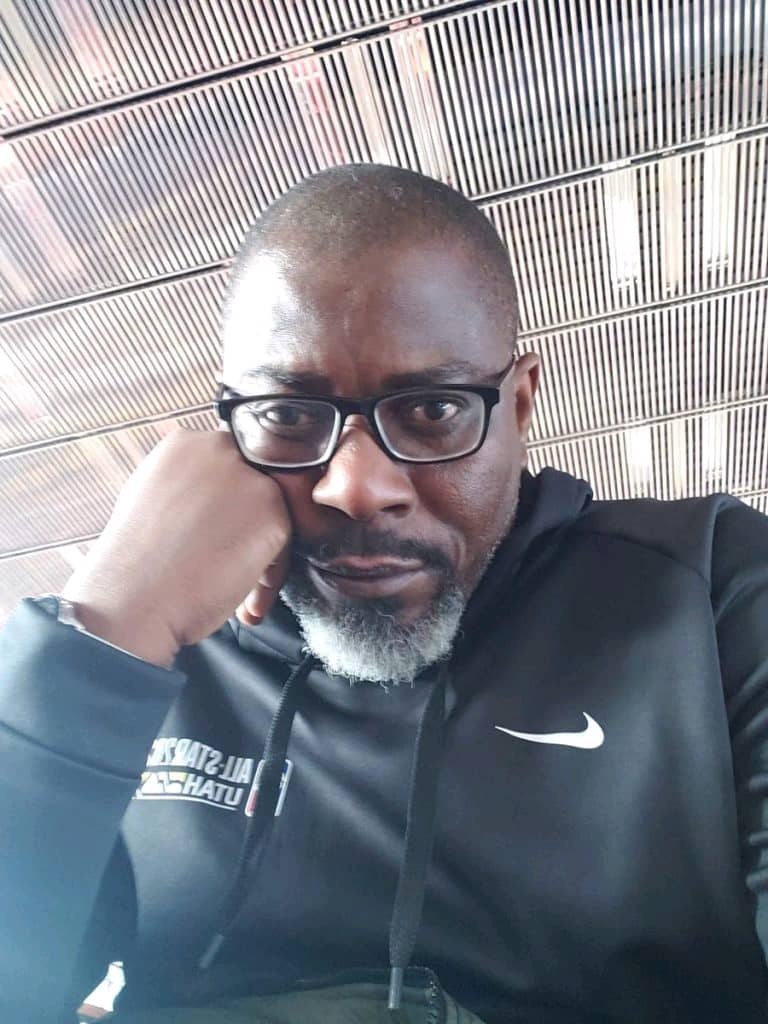
Popular Nigerian Sports Journalist Temisan Okomi Dies
Popular Nigerian sports broadcast journalist, Temisan Okomi, has passed away. The sad news was announced on Friday by Olawale Adigun of News Central via his 𝕏 (formerly Twitter) handle. Reacting to the loss, Adigun wrote: “The worst way to go into the weekend is hearing about Temisan Okomi’s passing. I’m so gutted and, at the same time, terrified. This man meant so much to me.” Okomi was widely respected in the sports media space, having worked with Classic FM 97.3, Lagos Television, HiTV, and other prominent media organisations across Nigeria. His final post, shared on April 14, 2026, read: “The Champions League is hard, man.” Fernandez Set for Chelsea Return Amid Uncertain Future Meanwhile, Argentine midfielder Enzo Fernandez is set to return for Chelsea FC this weekend after serving an internal suspension. However, uncertainty remains over his long-term future at Stamford Bridge. Fernandez sparked controversy during the international break after granting multiple interviews while on duty with Argentina, where he expressed a desire to one day live in Spain’s capital. His comments reignited speculation linking him with Real Madrid. The situation led to a two-match suspension agreed upon by head coach Liam Rosenior and the club’s hierarchy. His representative, Javier Pastore, attempted to have the ban reduced, but the appeal was unsuccessful. As a result, Fernandez missed Chelsea’s 7–0 FA Cup semi-final victory over Port Vale, as well as their 3–0 Premier League defeat at home to Manchester City. In a recent interview, Pastore suggested that Chelsea’s struggle to secure a UEFA Champions League spot could influence his client’s future. Another loss has left the London club four points behind Liverpool FC in the race for fifth place.
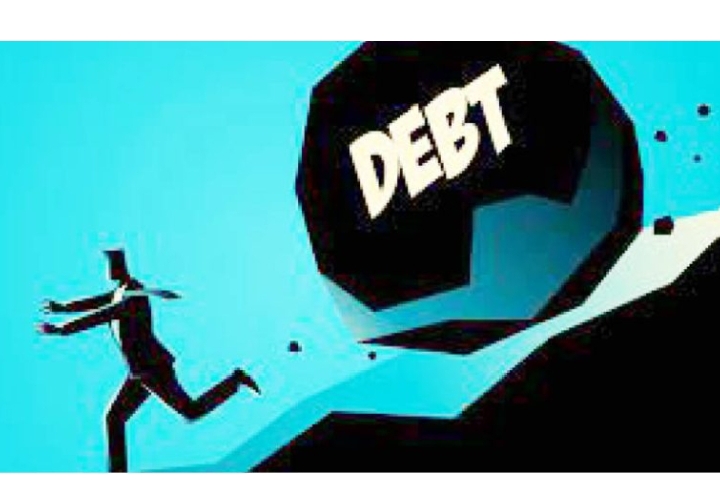
NIGERIA DAILY: Why Every Nigerian Now Owes ₦724,000.
Nigeria’s public debt continues to rise, with the latest figures from the Debt Management Office showing it stood at ₦159.28 trillion as of December 31, 2025. This represents an estimated burden of about ₦724,000 for every Nigerian. The growing debt profile is raising urgent concerns about how the government plans to service and repay these obligations. It also prompts critical questions about what future administrations may inherit and the broader implications for the country’s economic stability. For ordinary Nigerians, the effects are increasingly evident, with potential impacts on public spending, taxation, and the overall cost of living.