

The Federal Government of Nigeria has summoned South Africa’s Acting High Commissioner following reports of renewed xenophobic attacks targeting foreign nationals, including Nigerians. According to a statement issued by the Ministry of Foreign Affairs spokesperson, Kimiebi Imomotimi Ebienfa, the envoy has been invited to Abuja for a high-level meeting scheduled for Monday, May 4, 2026. The meeting is expected to address growing concerns over the safety of Nigerians living in South Africa, as well as the potential strain these incidents could place on the long-standing diplomatic relationship between both countries. Ebienfa explained that discussions will focus on ongoing protests in parts of South Africa and documented cases of harassment, violence, and destruction of businesses owned by Nigerian citizens. “The objective of this engagement is to formally convey the Nigerian Government’s profound concern regarding recent events that may affect the cordial relations between Nigeria and South Africa,” the statement noted. The Ministry also acknowledged rising public anger in Nigeria over the treatment of its citizens abroad but urged calm, assuring that the government remains committed to protecting Nigerians wherever they reside. This latest move signals Nigeria’s intent to seek accountability and ensure the safety and dignity of its nationals in South Africa amid escalating tensions.

Gunmen, suspected to be bandits, attacked a Police Mobile Force camp in Tenebo community, Kaiama Local Government Area of Kwara State, in the early hours of Saturday, killing at least three officers and injuring two others.
The sudden assault reportedly threw the community into panic, with heavy gunfire echoing across the area as the attackers overwhelmed officers on duty. The Kwara State Police Public Relations Officer, Ejide Tohun, confirmed the incident, adding that further details will be released later.

Senior Bolivian Magistrate Killed in Targeted Taxi Shooting
A senior judge in Bolivia has been tragically killed in a targeted shooting attack while riding in a taxi in the eastern city of Santa Cruz. The victim, Victor Hugo Claure, served as the top magistrate on the country’s highest agro-environmental court. According to police reports, the attack occurred on Thursday night when two assailants on a motorcycle opened fire on the vehicle carrying the judge. Santa Cruz police commander David Gomez described the incident as a “regrettable” act of violence during a press briefing. Claure reportedly sustained multiple gunshot wounds and died before he could be rushed to the hospital. Authorities say investigations are ongoing, with early indications suggesting that the attack may be linked to a land dispute. However, officials have urged the public to avoid speculation as inquiries continue. The United Nations office in Bolivia has strongly condemned the killing, calling for a swift and thorough investigation to ensure that those responsible are brought to justice. In response to the incident, security has been heightened for other senior judicial officials, with protection reinforced for at least 13 magistrates. Bolivian President Rodrigo Paz also expressed his condolences to Claure’s family and emphasized the need for patience as authorities work to uncover the full details behind the attack. Investigators are currently reviewing surveillance footage and witness statements, including accounts from individuals who were in the taxi at the time of the shooting.

Over 150 Fulani Detainees Reportedly Die in Kwara Camp — Amnesty Raises Alarm
Amnesty International has called on Nigerian authorities to urgently investigate reports that more than 150 Fulani detainees died at a military-controlled facility in Kwara State. In a statement released in late April 2026, the rights group said many of the victims — including children — were among roughly 1,500 Fulani pastoralists held for months at the NYSC Orientation Camp in Yikpata. According to Amnesty, the detainees were originally displaced persons who fled violent attacks in parts of Kwara, including Asa, Edu, Ifelodun, and Patigi local government areas. However, instead of receiving protection, they were reportedly taken into custody by security forces and kept in prolonged detention. Allegations of Harsh Conditions Amnesty International described the conditions at the camp as overcrowded and unsanitary, with detainees facing restricted movement, poor nutrition, and limited access to healthcare. These conditions, the organization said, have contributed to widespread malnutrition, illness, and rising deaths. The group also expressed serious concern about vulnerable individuals, especially pregnant women, who are said to be at risk due to inadequate medical care. Speaking on the situation, the Nigeria director of Amnesty International, Isa Sanusi, stated that those affected are caught between violence from armed groups and alleged mistreatment by authorities. “Instead of receiving protection, they are being denied their fundamental rights, including access to healthcare, freedom of movement, and education,” he said. Disturbing Testimonies from Survivors Amnesty’s findings were based on field research conducted between April 5 and April 11, 2026, during which investigators interviewed detainees, survivors, and family members. Several testimonies painted a grim picture of life inside the camp. Some detainees reportedly lost family members to hunger and disease, while others claimed that more than 150 people had died during their time in detention. There were also allegations of discriminatory profiling, with some individuals reportedly targeted based on their identity, subjected to unlawful searches, and forced to pay bribes. Call for Immediate Action Amnesty International is urging the Nigerian government to launch a prompt, independent, and transparent investigation into the allegations and ensure accountability if violations are confirmed. The organization also called for an immediate end to what it described as arbitrary detention, stressing that holding individuals based on ethnic identity violates both Nigerian law and international human rights standards. As of now, there has been no official response from the Nigerian military or other relevant authorities regarding the claims.
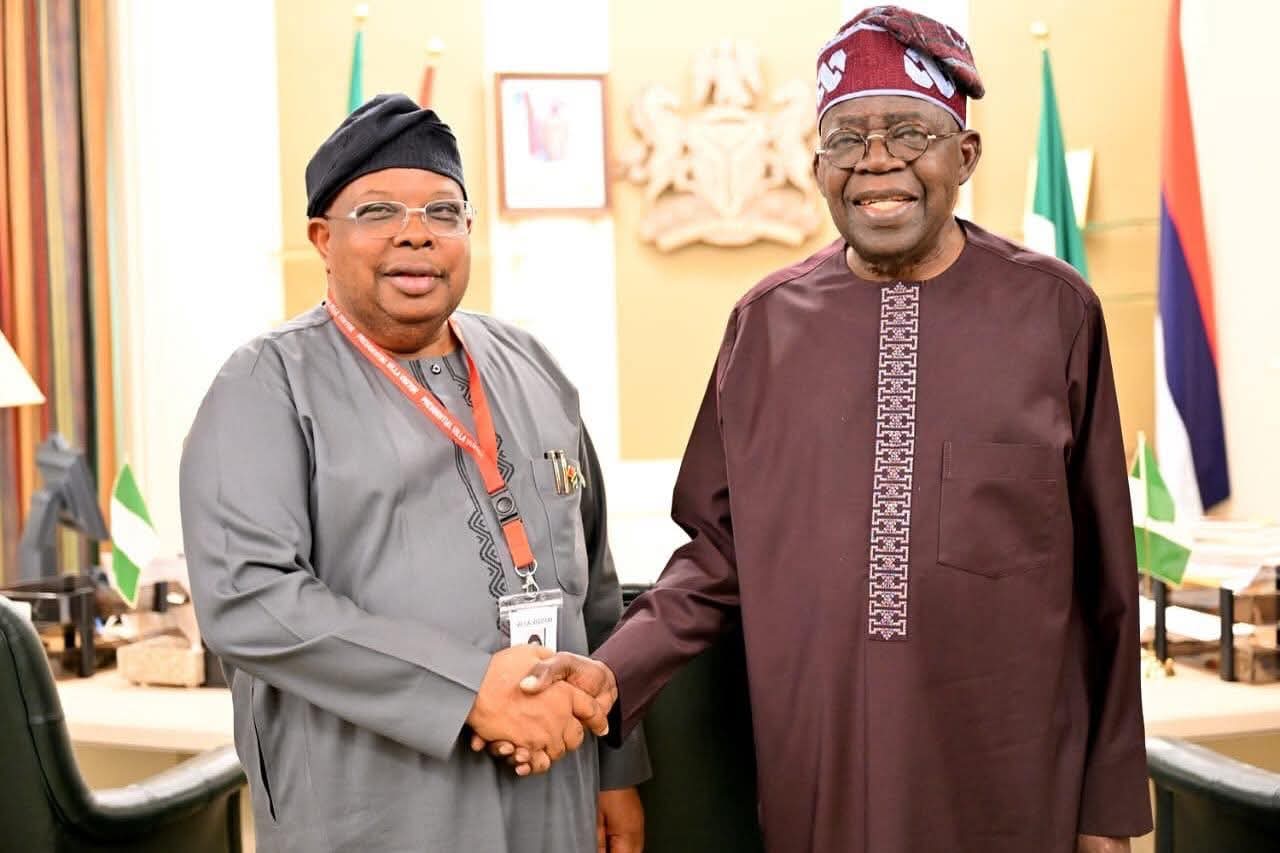
PresidentTinubu nominates Joseph Tegbe as Minister of Power
President Bola Tinubu has nominated Joseph Olasunkanmi Tegbe as Minister of Power, subject to confirmation by the Senate. Presidential media aide, Bayo Onanuga, in a statement released on Thursday, April 30, said the nomination has been transmitted to the Senate for screening and confirmation in accordance with the Constitution. The nomination follows the resignation of the former Minister, Adebayo Adelabu, who stepped down from office to pursue elective office. Onanuga stated that Mr Tegbe, from Oyo State, is a fiscal and economic reform expert with over 35 years of experience spanning the public and private sectors. He added that the President expects the Minister-Designate, upon confirmation, to bring his extensive expertise to bear to advance critical reforms and deliver improved outcomes for Nigerians in the power sector.

Dangote Refinery Recalls Engineers After “Conditional Pardon”
The Dangote Petroleum Refinery has approved the recall of engineers who were previously redeployed across its business units, following what it described as a “conditional pardon.” In a statement released on Thursday, the company explained that the decision came after an internal review process, as well as appeals from stakeholders, respected industry figures, and the affected engineers themselves. Why the Engineers Were Recalled According to an internal memo signed by Devakumar Edwin, Group Vice-President for Oil and Gas, the engineers will be invited for a meeting before being reassigned to resume duties at the refinery. The recall also extends to those who initially declined earlier redeployment opportunities offered by the company. The refinery emphasized that this move reflects its commitment to fairness and giving employees a second chance—while maintaining strict standards of discipline and professionalism. Company’s Position on Discipline Despite the recall, the company made it clear that its core values remain unchanged. The decision, though difficult, reinforces the importance of loyalty, professionalism, and adherence to organizational standards. The refinery also issued a warning: any repeat of misconduct will result in immediate sanctions, underlining its zero-tolerance policy for actions that could disrupt operations. What This Means Going Forward Returning engineers are expected to show renewed dedication as the refinery continues efforts to strengthen efficiency and deliver high performance in Nigeria’s oil and gas sector. Background to the Situation The issue dates back to October 2025, when some refinery engineers were redeployed to other companies within the Dangote Group after being dismissed. The move sparked tension in the industry, with the Natural Gas Senior Staff Association of Nigeria directing its members to embark on a nationwide strike in protest. The situation eventually drew intervention from the federal government, leading to negotiations and adjustments by the company. This latest development signals a fresh start for affected engineers—and a strategic move by the refinery to balance discipline with opportunity as it scales up operations.

Woman Remanded After Alleged Assault on 15-Year-Old Daughter in Lagos
A disturbing case of alleged child abuse in Lagos has sparked public outrage and swift action from authorities, after a viral video showed a woman attacking her teenage daughter in the Ipaja area. According to the Lagos State Domestic and Sexual Violence Agency (DSVA), the incident came to light on April 29, 2026, when footage of the alleged assault began circulating widely on social media. The video triggered immediate concern among residents and prompted rapid intervention from relevant agencies. The DSVA confirmed that the state’s emergency response protocol was activated as soon as the report was received. Officials from the Child Protection Unit under the Ministry of Youth and Social Development quickly stepped in to rescue the 15-year-old girl. The teenager has since been moved to a secure shelter, where she is receiving care, protection, and support services. Authorities also confirmed that the suspect, identified as the girl’s biological mother, was arrested by the Lagos Neighbourhood Safety Corps. She was initially taken to the Ipaja Police Station before her case was transferred to the Family Support Unit of the Nigeria Police Force for further investigation. Following a fast-tracked investigation, the case was charged to court on April 30, 2026. It was heard at Court 23 of the Samuel Ilori Magistrate Court in Ogba, Lagos. The court ordered that the suspect be remanded at the Kirikiri Correctional Centre pending legal advice from the Director of Public Prosecutions (DPP). The DSVA praised members of the public who reported and shared information about the incident, noting that their cooperation played a key role in ensuring the safety of the victim and the swift progress of the case. Reaffirming its stance, the Lagos State Government emphasized its zero-tolerance policy toward all forms of child abuse, stating that it remains committed to protecting victims and holding offenders accountable under the law. The case continues to unfold as authorities pursue justice and reinforce measures aimed at safeguarding children across the state.

Five New BVN Rules by CBN: What Nigerians Must Know Before May 1
The Central Bank of Nigeria (CBN) has introduced new Bank Verification Number (BVN) regulations set to take effect from May 1, 2026. The move is aimed at strengthening banking security and tackling the growing rate of financial fraud in Nigeria. These rules will apply to all banks, fintech platforms, and licensed financial institutions across the country. Key Highlights of the New BVN Rules Why These Changes Matter According to the CBN, the new policies are designed to protect customers from identity theft, account takeovers, and other digital banking threats. With the rise in online transactions, stricter security measures have become necessary. For Nigerians, this means being more cautious when changing phone numbers, switching devices, or managing bank accounts. While the rules may seem restrictive, they are intended to improve trust and safety in the financial system.

Three Nigerian men and a Thai woman have been arrested in Thailand over an alleged romance scam operation.
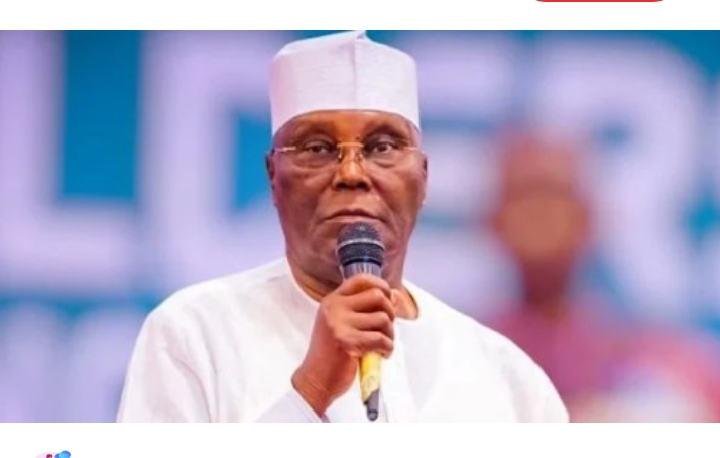
Atiku’s US Lobby Firm Warns Tinubu, Pushes for Possible Sanctions Over Insecurity and Elections
A Washington-based lobbying firm, Von Batten-Montague-York, L.C., has issued a strong warning to President Bola Ahmed Tinubu, raising concerns over Nigeria’s security situation and the integrity of its electoral process. In a statement shared on X, the firm revealed that it has begun briefing officials within the administration of US President Donald Trump on developments in Nigeria. These discussions reportedly focus on allegations of election interference and ongoing violence across parts of the country. Growing International Attention While acknowledging Tinubu’s long-standing political career, the firm stated that his presidency is facing increasing criticism among Nigerians. It emphasized that its role is not to interfere with Nigeria’s leadership but to advocate for democratic accountability. “As American-registered foreign agents, we have no authority to remove a sitting leader. That power lies solely with the Nigerian people,” the firm noted. Atiku’s Role in the Engagement The lobbying effort is tied to a contract with former Vice President Atiku Abubakar. According to the firm, its mandate is to push for stronger US engagement on issues related to democracy, security, and human rights in Nigeria. The statement clarified that Atiku is not positioning himself as an adversary but as a concerned statesman advocating for peace and credible elections. Threat of Sanctions One of the most significant parts of the statement is the warning of potential sanctions. The firm indicated it may push for punitive actions under the Global Magnitsky framework if credible evidence links Nigerian officials to human rights violations or electoral malpractice. Such sanctions could include freezing assets and restricting international financial access. Democracy and Accountability The firm also stressed that political power in Nigeria ultimately belongs to the people, not individuals in office. “The presidency is not a birthright, but a privilege granted by citizens,” the statement said, reinforcing the idea that leadership is determined by the electorate. Concerns Over Electoral Integrity Additionally, the lobbying group raised concerns about the role of Nigeria’s electoral body and its ability to guarantee free and fair elections. It warned that any weaknesses in the system could undermine public trust and democratic stability. What This Means Going Forward With a reported $1.2 million contract signed in March 2026, the firm is expected to continue engaging US policymakers, including Congress and the National Security Council, as Nigeria moves closer to the 2027 general elections. This development signals increasing international scrutiny of Nigeria’s political climate—particularly around security challenges and electoral transparency.