

The National Agency for Food and Drug Administration and Control (NAFDAC) has confirmed that the preservative used in BON Bread falls within internationally approved safety limits. The clarification follows a viral social media claim on April 13, 2026, where a blogger alleged that a loaf of bread remained mold-free for over two months. Although the brand was not initially identified, Food & Food Integrated Company Limited, producers of BON Bread, later responded and denied any wrongdoing. In response, NAFDAC launched an investigation to provide scientific clarification. The agency’s Greater FCT Directorate inspected the company’s bakery facility in Abuja on April 20, 2026, and also collected bread samples from the open market for laboratory analysis. According to NAFDAC, findings showed that calcium propionate—used as a preservative—was present in acceptable quantities consistent with the Codex Alimentarius (global food safety standards). The agency further confirmed that: No harmful substances were detected in the bread samples There was no presence of bromate or non-nutritive sweeteners The company has maintained compliance, with no history of penalties or product recalls since beginning operations in 2006 NAFDAC concluded that BON Bread is not in violation of any regulatory standards. The agency also advised the public to report product concerns through official channels rather than social media to ensure proper investigation.
SEC Warns Nigerians Over Surge in Social Media Ponzi Schemes
The Securities and Exchange Commission (SEC) has cautioned Nigerians against investing in unregistered online schemes aggressively promoted across social media platforms, warning that many exhibit classic Ponzi characteristics. In a public notice dated May 8, 2026, the Commission said several platforms offering guaranteed or unrealistic returns are neither registered nor authorised to operate within Nigeria’s capital market. According to the SEC, these schemes are widely circulated on platforms such as WhatsApp, Instagram, Telegram, Facebook, and TikTok, where unsuspecting users are lured with promises of quick profits. The regulator noted that many of these operations display features commonly associated with fraudulent investment arrangements, while some promoters also provide unauthorised financial advisory services. The SEC warned that individuals who invest in such schemes risk losing their funds, stressing that offers of unusually high or “guaranteed” returns should be treated as major red flags. It advised Nigerians to avoid unregistered investment platforms and refrain from taking financial advice from unlicensed individuals or entities. The Commission emphasised that only operators registered with the SEC are legally permitted to offer investment and advisory services in Nigeria. Prospective investors were further urged to verify the registration status of any company or platform through the Commission’s official verification portal before committing funds.
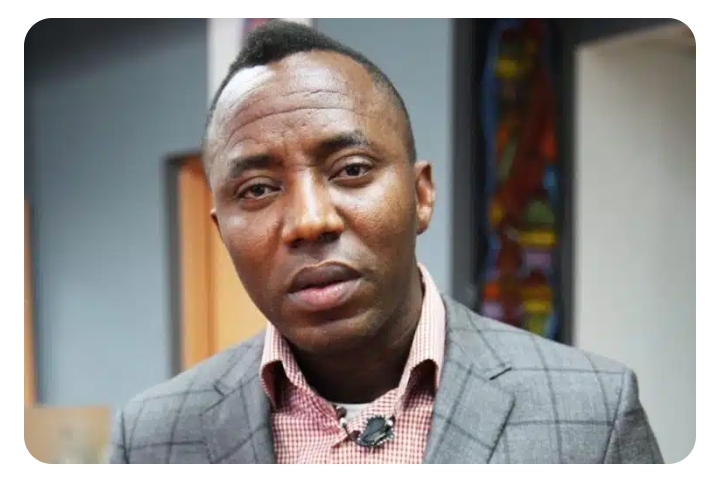
Sowore Blasts Adekunle Gold Over Alleged Cybercrime Case
Nigerian activist and former presidential candidate, Omoyele Sowore, has criticised singer Adekunle Gold over the legal troubles of a young man, Adeboye Samuel. Adeboye was reportedly taken to court after making claims on social media about the singer’s daughter. Reacting to the development, Sowore recalled a controversial post made by Adekunle Gold years ago about former President Goodluck Jonathan. According to him, the post circulated widely at the time without any legal consequences, as it was considered an exercise of free speech. The post, shared during the 2012 protests against the removal of fuel subsidy, read: “Dear God, if you give us Dagrin back, we will give you Jonathan in return.” In a post on X, Sowore said: “Adekunle Gold openly criticised then-President Goodluck Jonathan in 2012. Back then, it was rightly seen as free speech, and if he had been arrested, Nigerians would have protested for his release. How then does someone who benefited from freedom of expression turn around years later to use the police, courts, and cybercrime laws against ordinary Nigerians over social media exchanges?” Sowore argued that freedom of expression must apply equally to everyone, regardless of status, stressing that it should not be criminalised when used by ordinary citizens. He also called on the Nigeria Police Force to avoid being used as a tool by influential individuals and urged the judiciary to refrain from imposing harsh penalties on matters that should fall under free speech.
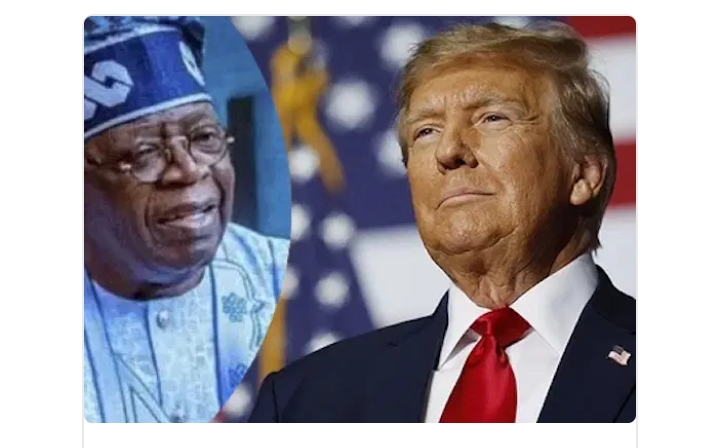
US, Nigerian Forces Kill ISIS Commander in Sokoto — Trump
The United States, in coordination with Nigerian authorities, has carried out airstrikes in Sokoto State, reportedly killing an ISIS commander and several fighters. US President Donald Trump announced the operation, describing it as a “powerful and deadly strike” targeting Islamic State militants in northwestern Nigeria. According to him, the action followed earlier warnings to the group over continued attacks on civilians. US Africa Command confirmed the strikes, noting they were conducted in collaboration with Nigeria as part of ongoing security cooperation. A US official also disclosed that multiple targets were eliminated during the operation. Nigerian authorities said the strikes were the result of intelligence sharing and joint strategic planning between both countries, as efforts intensify to tackle insurgency and armed groups across the region. President Bola Ahmed Tinubu called for peace and unity, stressing the need to protect all Nigerians regardless of religion. He reaffirmed his administration’s commitment to safeguarding lives and upholding religious freedom. Security analysts believe the operation likely targeted fighters linked to the Islamic State Sahel Province (ISSP), also known locally as Lakurawa, a group increasingly active in parts of Sokoto and Kebbi states. Nigeria continues to face security challenges from multiple armed groups, including factions affiliated with the Islamic State such as ISWAP, an offshoot of Boko Haram operating mainly in the northeast. The latest strike marks a significant escalation in joint efforts between the US and Nigeria to combat terrorism, particularly in the country’s northwest, where attacks on communities and security forces have intensified in recent months.

Drama in Kwara Market as Stolen Cows Identify Owners, Expose Suspect
An unusual scene unfolded at Ajase-Ipo market in Ifelodun LGA of Kwara State when five suspected stolen cows reportedly recognised their rightful owners, leading to the arrest of a suspected cattle rustler. The incident occurred on January 11, 2026, during a routine livestock trading day. A man identified as Mohammed Jabi had brought the cows for sale, unaware that their original owners were already searching markets for the missing animals. As the herders approached the section where the cows were tied, the animals suddenly became agitated, pulling at their ropes and reacting strongly, as though recognising familiar faces. The behaviour drew attention from traders and buyers nearby. Moments later, the herders identified the cows, citing distinct physical features. When questioned, the suspect reportedly failed to give a credible account of ownership. Market authorities alerted security operatives, who arrested Jabi. Investigations linked him to a suspected bandit network operating across Kwara, Niger, and Kogi states. The cattle were believed to have been stolen and brought to the market for sale to support the group’s activities. The cows were later returned to their owners, while authorities intensified efforts to apprehend other members of the network. For many witnesses, however, the most striking part of the incident was the role the animals themselves played in exposing the crime.
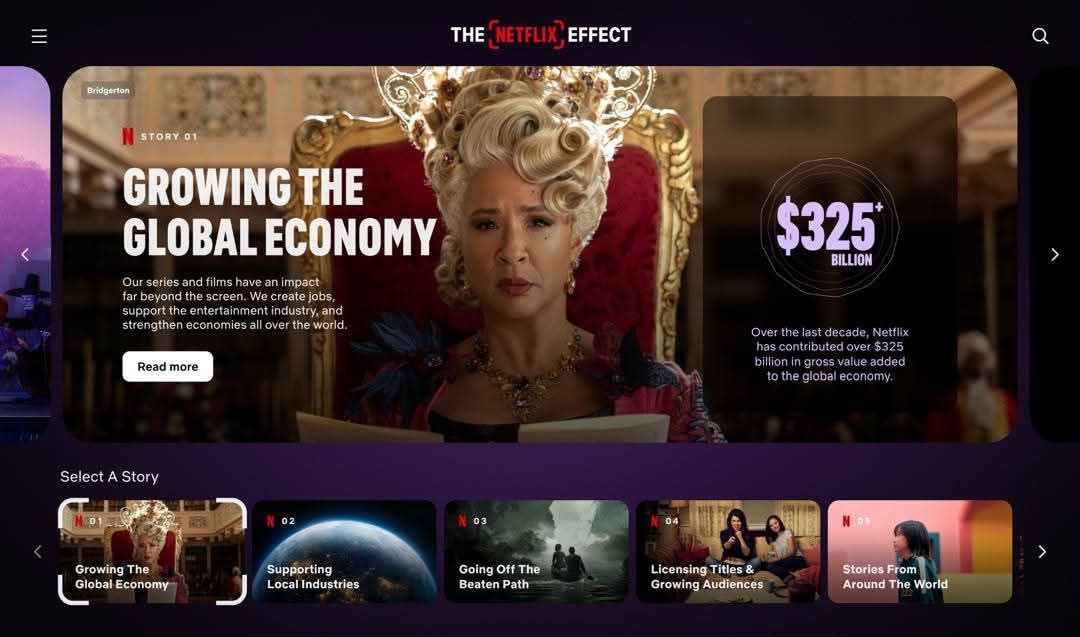
The Netflix Effect: How One Platform Is Shaping Culture and Economies Worldwide
Ten years ago, Netflix made a bold leap — expanding from serving audiences in about 60 countries to reaching more than 190 countries in a single day. At the time, headlines focused on its rapid global expansion. But behind the scenes, the company had a different philosophy: to truly go global, it needed to think local. That approach has since defined Netflix’s evolution. From Local Stories to Global Impact In 2015, Netflix produced its first original series outside the United States, Club de Cuervos in Mexico. It marked the beginning of a strategy centered on local storytelling with global reach. Today, Netflix produces films and series in over 4,500 cities and towns across more than 50 countries. Each production is rooted in its local environment — employing local talent, supporting small businesses, and contributing to regional economies. Introducing “The Netflix Effect” Netflix has now launched what it calls “The Netflix Effect” — an initiative that examines the economic, cultural, and social impact of its productions around the world. The numbers are striking: Over $135 billion invested in films and series over the past decade More than $325 billion contributed to the global economy Over 425,000 jobs created through productions But beyond the figures are the individuals who make it all possible — from writers and directors to electricians, caterers, and local entrepreneurs. Real-World Impact Across Communities Netflix productions are not just entertainment — they are economic engines. In the United States, The Lincoln Lawyer generated more than $425 million for California’s economy, employing over 4,300 cast and crew members and utilizing dozens of locations across Los Angeles. Similarly, Stranger Things created over 8,000 production jobs across its five seasons, with thousands of vendors contributing from across the country. In Colombia, the series Frontera Verde involved local Amazonian communities both culturally and professionally. Community members participated in traditional ceremonies before filming began and later worked on the production in various roles. Even smaller towns have felt the impact. In Strängnäs, Sweden, multiple versions of Love Is Blind transformed the quiet city into a thriving production hub for much of the year, boosting local hospitality and service industries. Beyond the Screen: Cultural Influence The influence of Netflix extends far beyond film and television. Its content increasingly shapes global culture — influencing what people listen to, learn, wear, and even where they travel. For example, the success of KPop Demon Hunters sparked a surge in interest in Korean culture. Music from the film gained international recognition, language-learning platforms reported increased demand for Korean lessons, and travel interest in South Korea rose significantly. Netflix content has also revived classic songs, boosted niche hobbies, and driven trends in fashion, food, and lifestyle. Investing in the Future of Entertainment As the entertainment industry continues to evolve rapidly, Netflix is doubling down on its investments. The company continues to spend billions annually on content, expand production facilities globally, and support training programs that have reached over 90,000 individuals across more than 75 countries. It has also contributed to preserving cinematic heritage by restoring historic theaters and investing in technology that supports creators worldwide. Looking Ahead The Netflix story is no longer just about streaming content — it is about building ecosystems. By focusing on local storytelling, empowering communities, and driving cultural conversations, Netflix has created a model where entertainment fuels economic growth and global connection. As the next decade unfolds, one thing is clear: the Netflix Effect is only just beginning.
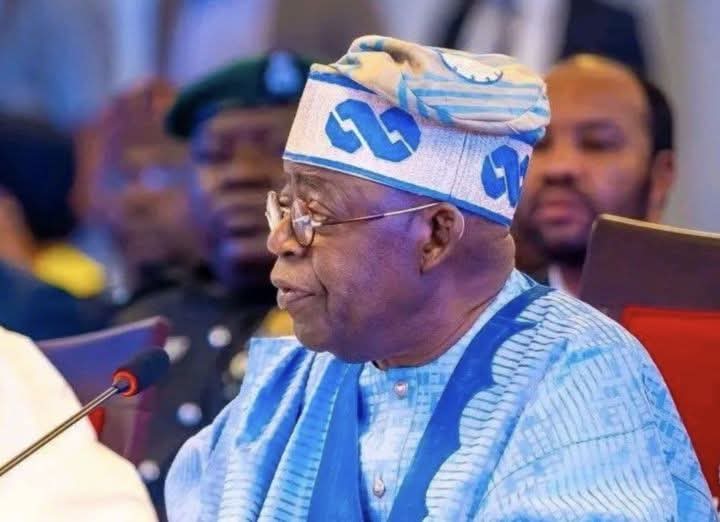
Tinubu: Nigeria to Spend $11.6bn on Debt Servicing in 2026
President Bola Ahmed Tinubu has disclosed that Nigeria will spend $11.6 billion on debt servicing in 2026, with nearly half of the country’s projected revenue allocated to repayments. Speaking at the Africa Forward Summit in Nairobi, Tinubu said the burden of debt servicing continues to limit investments in key sectors of the economy. “Every dollar used to service debt is a dollar not invested in critical areas like steel, textiles, agriculture, digital innovation, or human capital development,” he said. The president criticised the global financial system, noting that African countries are often treated as high-risk borrowers despite ongoing reforms. He argued that this perception drives up borrowing costs and restricts access to affordable, long-term financing needed for industrial growth. “Our industrial base is being starved of the capital it needs, while international lenders and rating agencies maintain a high-risk outlook on African economies,” Tinubu stated. He added that high borrowing costs—often five to ten times higher than in developed regions—make it difficult for African manufacturers to compete globally or build sustainable value chains under the African Continental Free Trade Area (AfCFTA). According to Tinubu, the current global financial structure is hindering Africa’s industrialisation and deepening infrastructure financing gaps. Highlighting recent economic reforms, the president said Nigeria has taken “painful but necessary” steps to stabilise its economy. These include the removal of petrol subsidies, exchange rate unification, banking sector recapitalisation, and exiting the Financial Action Task Force (FATF) grey list. He noted that these measures have contributed to a projected debt-to-GDP ratio of 32.3% in 2026, external reserves of $45.5 billion, and renewed investor confidence. Tinubu concluded by calling for a reformed global financial system that supports Africa’s industrial ambitions, enabling countries to process raw materials, refine crude oil, manufacture goods, and compete fairly in the global market.
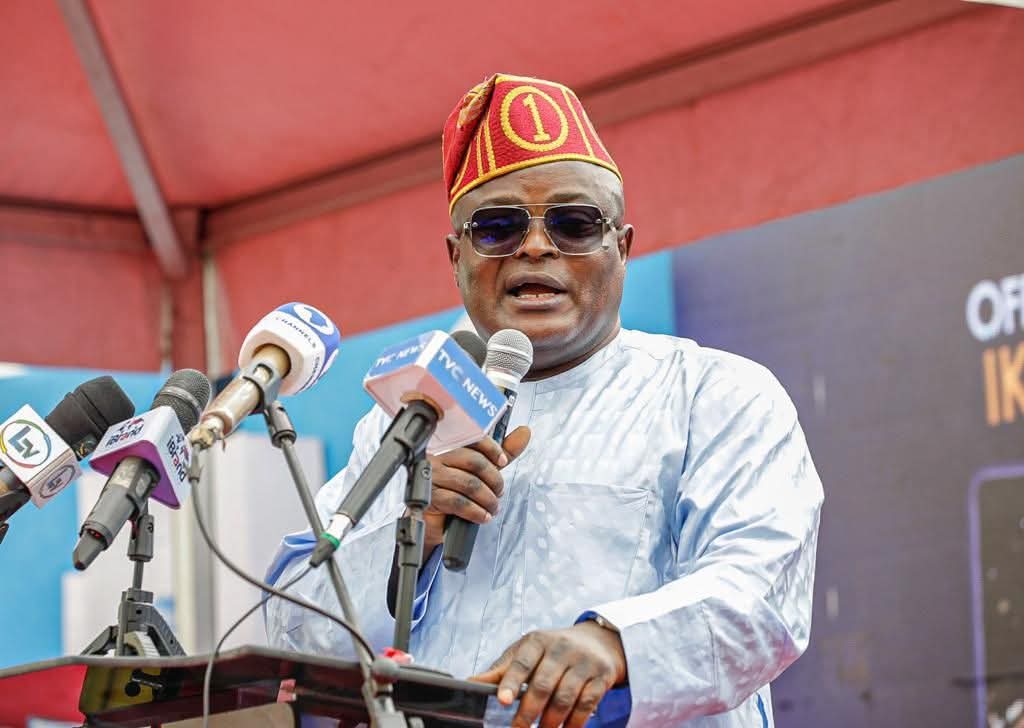
Obasa Announces House of Representatives Bid Ahead of 2027 Elections
Mudashiru Obasa, speaker of the Lagos State House of Assembly, has declared his intention to contest for the Agege Federal Constituency seat in the 2027 general elections. Obasa, a six-term lawmaker representing Agege Constituency I since 2003, made this known during a stakeholders’ meeting held in Agege on Tuesday, ahead of the All Progressives Congress (APC) primaries. He explained that his decision to join the race followed extensive consultations with party leaders and key stakeholders in the constituency, who urged him to step forward. “I answered the call of our leaders and stakeholders who believe I can serve Agege better,” Obasa said, while also appealing for unity among party members as preparations for the primaries intensify. The speaker used the opportunity to rally support for other aspirants within the constituency. He endorsed Ganiyu Egunjobi, a former chairman of Agege Local Government Area, for the Lagos State Assembly seat representing Agege Constituency I. Obasa also backed Azeez Ninolowo, an aspirant for Agege Constituency II, stressing the need for capable and committed representatives. According to him, Agege requires leaders with experience, loyalty, and a strong understanding of the challenges facing residents. “We must present candidates with capacity, loyalty, and commitment to the progress of Agege,” he added.
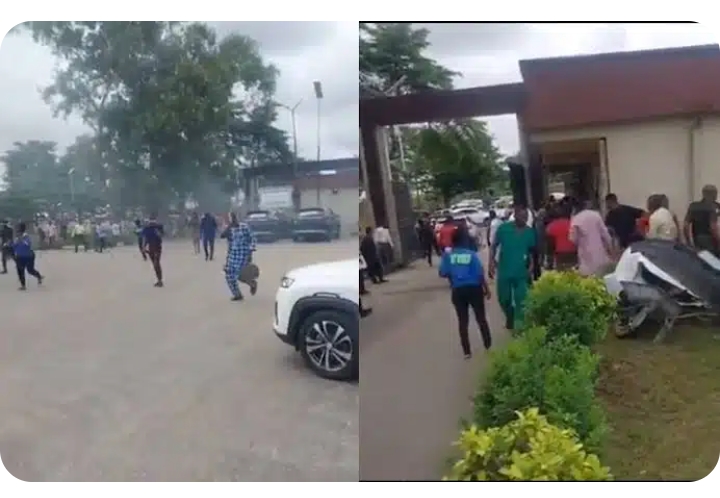
Doctors Declare Indefinite Strike Over Alleged EFCC Assault
The Nigerian Medical Association (NMA) in Akwa Ibom State has declared an indefinite strike following the alleged assault, arrest, and detention of medical personnel at the University of Uyo Teaching Hospital (UUTH) by operatives of the Economic and Financial Crimes Commission (EFCC). The decision was announced in a communiqué issued after an emergency virtual congress held on Tuesday. Tension reportedly escalated at the hospital when EFCC operatives arrived in two saloon vehicles and a tinted bus. Witnesses said some of the operatives wore masks, while others were dressed in EFCC-branded jackets. During the operation, Professor Eyo Ekpe, a cardiothoracic surgeon and deputy chairman of the hospital’s Medical Advisory Committee, was allegedly arrested. Videos circulating online showed workers, patients, and visitors scrambling for safety after teargas canisters were reportedly discharged within the hospital premises. Reacting to the incident, EFCC spokesperson Dele Oyewale stated that the operatives were at the hospital to verify a medical report submitted by a suspect already in custody over alleged fraud involving several microfinance banks, including the University of Uyo Microfinance Bank. Oyewale maintained that the operatives were attacked while carrying out lawful duties, claiming they were pelted with stones during the visit. However, in a communiqué signed by its state chairman, Aniekan Peter, and secretary, Ighorodje Edesiri, the NMA condemned the incident, describing it as an invasion of the hospital. The association alleged that Professor Ekpe was physically assaulted, handcuffed, and forcibly taken away by masked operatives. It also claimed that gunshots were fired during the operation and that phones belonging to individuals recording the incident were confiscated. Describing the development as “barbaric” and a violation of the sanctity of the hospital environment, the NMA announced an immediate and indefinite withdrawal of medical services across the state. The association stated that it would not engage in any dialogue until all detained members are released. It also demanded a public apology from the EFCC and called for the prosecution of officers allegedly involved in the operation. Additionally, the NMA alleged that its state chairman was shoved and exposed to teargas while attempting to seek clarification from the operatives. The association warned that it would initiate legal action against the EFCC and seek ₦1 billion in damages if its demands are not met.
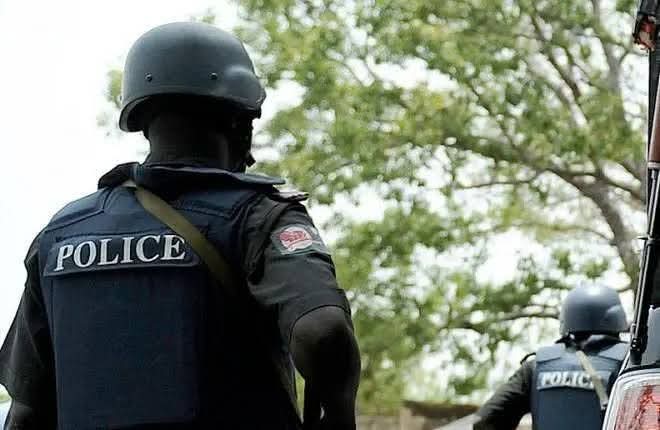
Police Arrest Suspected IPOB/ESN Members in Imo, Recover Ammunition
The Imo State Police Command says it has arrested three suspected members of the proscribed Indigenous People of Biafra (IPOB) and its armed wing, the Eastern Security Network (ESN). Henry Okoye, the command’s spokesperson, disclosed this in a statement on Tuesday, noting that operatives recovered more than 3,115 rounds of ammunition and surveillance drones from the suspects’ camp. Okoye said the operation took place on Saturday, when police operatives stormed a hideout in Nguru Aboh Mbaise Local Government Area of Imo State. He explained that a gun battle ensued during the raid, leading to the arrest of three suspects, while others fled the scene. According to him, the operation was intelligence-driven and followed actionable information obtained from the confessional statement of a high-ranking IPOB/ESN commander, Ebube Uchenna Mmaduakolam, also known as ‘Ebube Virus’. He added that the arrested suspects are currently in custody and are providing useful information on the group’s logistics, structure, and planned operations. A search of the camp led to the recovery of two general-purpose machine guns (GPMGs), 3,115 rounds of GPMG ammunition, one AK-47 rifle, a pump-action shotgun, several surveillance drones, and Biafran currency in different denominations. Okoye further stated that the inspector-general of police, Tunji Disu, commended the operatives for their professionalism, bravery, and tactical precision. He noted that the IGP said the seizure of the weapons and ammunition has significantly weakened the operational capacity of the IPOB/ESN network in the South-East and dealt a major blow to its activities in the region.