

The Joint Admissions and Matriculation Board (JAMB) has announced that examination slip printing for the 2026 Unified Tertiary Matriculation Examination (UTME) is now available. Candidates are advised to print their slips and carefully check important details such as their examination venue, date, and time. The examination slip is a crucial document that contains all the necessary information required to sit for the exam. However, many Nigerians have taken to social media to express frustration over difficulties accessing the JAMB website following the activation of the slip printing portal. The UTME is a computer-based standardized examination conducted by JAMB for candidates seeking admission into tertiary institutions across Nigeria.
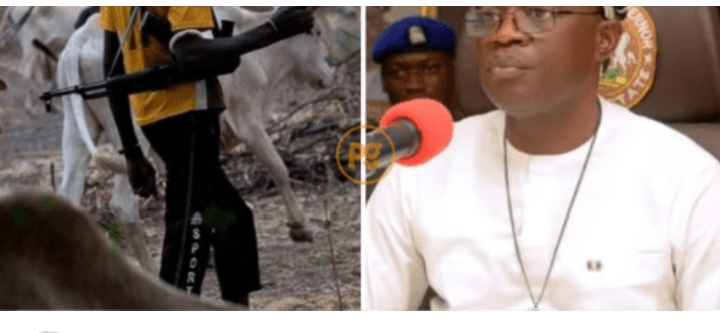
Benue Lawmaker Accuses Governor Alia of Inaction Amid Rising Herdsmen Attacks
A member of the Benue State House of Assembly, Peter Uche (APC/Guma I), has raised alarm over persistent attacks in his constituency, alleging that lives continue to be lost while farmlands are destroyed. Speaking in Makurdi on Friday, Uche said the security situation in his area remains dire, noting that the violence has displaced thousands of residents and left survivors struggling to cope. His constituency includes Yelewata, a community that witnessed a deadly attack in June 2025. According to him, the situation has not improved since then. “The insecurity is still very serious,” he said. “Just on Wednesday, innocent farmers were killed during an attack at Imande Dem.” Uche explained that he had been away attending a burial but planned to visit the affected communities to sympathise with grieving families. The lawmaker stressed that he has repeatedly brought the issue before the House, urging the state government—led by Hyacinth Alia—to take decisive action. He also highlighted what he described as a major concern: the continued movement of armed herders operating under open grazing, despite the state’s anti-open-grazing law. “It is disturbing that these attackers move freely with their cattle,” Uche said. “The law banning open grazing exists, yet it is not being enforced for reasons best known to the government.” While acknowledging that enforcement is beyond his authority, he maintained that he has consistently called on the government to act through legislative motions. Uche further urged residents in vulnerable communities to remain vigilant and report suspicious activities to security agencies. Despite the ongoing challenges, he commended security forces for their efforts, even as he insisted that more decisive action is needed to restore safety and allow farmers to return to their lands.
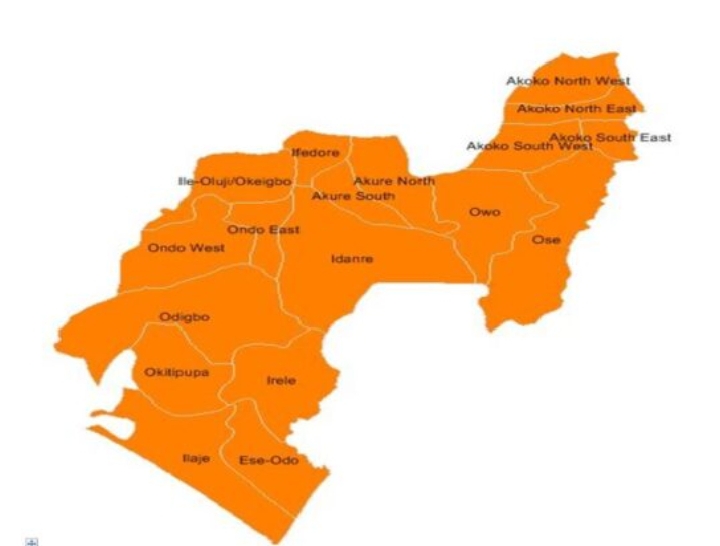
Unknown Gunmen Kill Mother, Daughter in Ondo
Two residents of Akure—a mother and her daughter—have been killed by suspected gunmen in a violent attack that has left the community in shock. The incident occurred at Igushin via Ala, heightening fear and tension among residents of the area. Confirming the attack, the spokesperson of the Ondo State Police Command, Abayomi Jimoh, condemned the killings, describing them as both heinous and tragic. He disclosed that while the attackers killed two victims, police operatives were able to rescue two other individuals from suspected kidnappers during a swift and coordinated response. “The Ondo State Police Command strongly condemns the violent incident at Igushin via Ala, Akure, which led to the loss of two innocent lives,” Jimoh stated. “While two victims were successfully rescued, the Command expresses deep sorrow over the unfortunate deaths.” Jimoh assured residents that security has been intensified in the area, adding that efforts are underway to track down and apprehend those responsible. “The Command has put in place adequate security measures to safeguard lives and property. We assure the public that the perpetrators will be brought to justice,” he added. He also urged members of the public to remain vigilant and support security agencies by providing timely and credible information .

US Embassy Suspends Visa Appointments in Abuja
The United States Mission in Nigeria has announced the suspension of visa appointments at its embassy in Abuja. The announcement was made via the mission’s official X (formerly Twitter) account on Thursday. According to the statement, applicants affected by the suspension are advised to check their email for updates regarding rescheduled appointments. “U.S. Embassy Abuja is closed for visa appointments. Applicants should check their email for details on rescheduled appointments,” the statement read. However, the mission clarified that visa services remain fully operational at the U.S. Consulate General Lagos. It also noted that services for American citizens are still available in emergency situations and by appointment. This development follows a broader security advisory issued by the United States Department of State, which recently authorised the departure of non-emergency staff from its Abuja embassy. The advisory also expanded its “Do Not Travel” list in Nigeria to include 23 states. While Nigeria remains under a Level 3 advisory—“Reconsider Travel”—the State Department warned of heightened risks in certain areas due to crime, terrorism, civil unrest, kidnapping, and limited access to quality healthcare. The advisory highlighted that U.S. citizens are often targets for kidnapping and robbery, while terrorist threats persist in public spaces such as markets, religious centres, hotels, and large gatherings. Concerns were also raised about the state of healthcare services, noting that hospitals frequently require upfront cash payments, ambulance services are unreliable, and blood supply systems are inconsistent. In serious cases, medical evacuation may be necessary. U.S. citizens in Nigeria were advised to enrol in the Smart Traveller Enrollment Programme (STEP), avoid large gatherings, vary daily routines, and maintain emergency evacuation plans independent of government assistance. The advisory also recommended establishing “proof of life” protocols with family members in case of kidnapping. The updated “Do Not Travel” list includes states such as Borno, Kogi, Yobe, and parts of Adamawa due to terrorism and kidnapping risks. Other states—including Bauchi, Gombe, Kaduna, Kano, Katsina, Sokoto, and Zamfara—were flagged for banditry and communal violence. In the South-East and Niger Delta regions, states like Abia, Anambra, Bayelsa, Delta, Enugu, Imo, and Rivers (excluding Port Harcourt) were cited for crime, unrest, and kidnapping. Additionally, Plateau, Jigawa, Kwara, Niger, and Taraba were newly added to the highest-risk category, reflecting the spread of insecurity, particularly in the Middle Belt where farmer-herder conflicts continue to escalate. The advisory described the situation in these areas as volatile and unpredictable, warning that security operations may occur without prior notice.

Officer Shot in Porterville, Armed Suspect at Large in Tulare County
Updated: April 10, 2026 A police officer was reportedly shot on Thursday in Porterville, California, prompting a large-scale law enforcement response across Tulare County. Initial reports, including scanner radio updates, indicate that the suspect is armed and remains at large. Authorities have yet to release an official statement detailing the circumstances of the shooting or providing a description of the suspect. Videos circulating on social media show a heavy presence of police and emergency vehicles at the scene, suggesting an ongoing and active operation. There have also been unverified reports claiming that several schools in the area were placed on lockdown as a precaution. However, officials have not confirmed any direct connection between the shooting and local schools, nor have they reported any active threats within school premises. At this time, details regarding the motive behind the incident remain unclear. This is a developing story, and more information is expected as authorities provide updates.
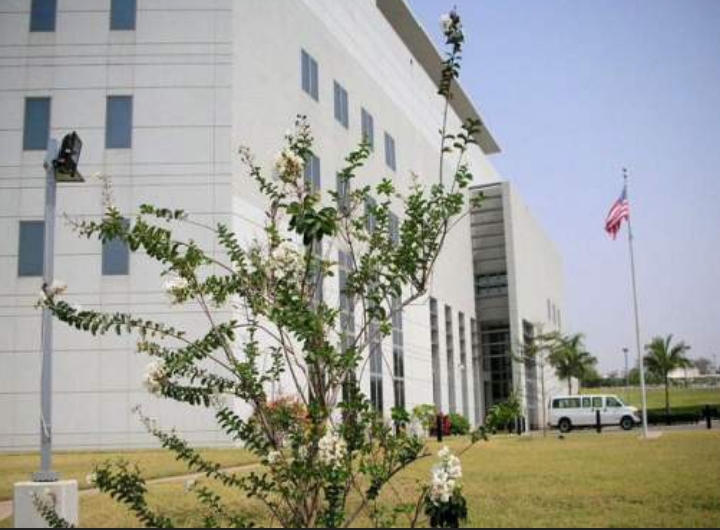
US Orders Non-Emergency Staff to Leave Nigeria Embassy Over Rising Insecurity
The United States Department of State has authorised the departure of non-emergency government employees and their family members from its embassy in Abuja, citing worsening security conditions in Nigeria. The directive, issued on Wednesday through an updated travel advisory, follows a surge in violent attacks across several parts of the country. As part of the update, Plateau, Jigawa, Kwara, Niger, and Taraba states were added to the US “Do Not Travel” list due to heightened risks of terrorism, crime, and kidnapping. This decision comes in the wake of recent deadly incidents. On March 29, gunmen attacked the Gari Ya Waye area of Angwan Rukuba in Jos North, killing over 20 residents and injuring many others during the Christian celebration of Palm Sunday. Similar attacks were reported in Niger and Kebbi states, where dozens of people were also killed. The advisory now includes several high-risk states such as Borno, Kogi, Kaduna, Kano, Katsina, Sokoto, Zamfara, Abia, Anambra, Bayelsa, Delta, Enugu, Imo, and Rivers, among others. The move aligns with previous warnings from the United Kingdom, which last November cautioned its citizens against non-essential travel to multiple states in Nigeria. Meanwhile, Nigeria’s security challenges are further highlighted in the 2026 Global Terrorism Index (GTI), where the country ranks as the fourth most affected by terrorism globally. The report notes a 43 percent increase in terrorism-related fatalities compared to 2024, with groups such as ISWAP and Boko Haram responsible for the majority of deaths. In response to the growing insecurity, some religious leaders have called on the federal government to declare a state of emergency to address the crisis.
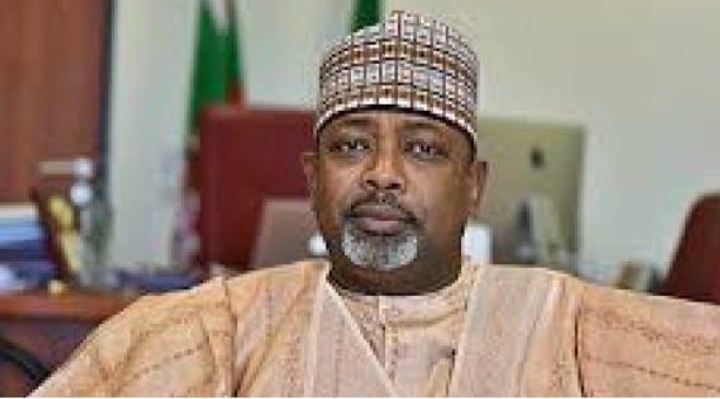
FG Tasks ECOWAS on Financing Strategies for Agroecology
The Federal Government has urged stakeholders in the agriculture and finance sectors across West Africa to leverage innovative financing strategies to strengthen agroecology practices. Minister of Agriculture and Food Security, Abubakar Kyari, made the call during the Regional Forum on Agroecology and Organic Agriculture held in Abuja on Monday. Speaking through the Director of Planning and Policy Coordination at the Federal Ministry of Agriculture and Food Security (FMAFS), Ibrahim Tanimu, Kyari described the forum as timely and critical for the region, particularly Nigeria. The forum, themed “Financing the Transformation of Sustainable Food and Nutrition Systems for Food Sovereignty in West Africa through Organic Agriculture and Agroecology: Considering What Policies, Mechanisms and Instruments?”, was organised by ActionAid Nigeria in collaboration with the Forum on Agroecology and Organic Agriculture in West Africa and other partners. Kyari identified inadequate financing as a major constraint to food system development and achieving food sufficiency in the region. He urged participants to identify bottlenecks in accessing funding, particularly those related to economic and fiscal policies. “I urge you to think critically about your role in promoting and leveraging financing strategies for agroecology and organic agriculture in West Africa. These should support local consumption as well as regional and global trade, especially under the African Continental Free Trade Area,” he said. He also emphasised the importance of knowledge sharing on sustainable practices, including soil management, pest and disease control, biodiversity protection, and environmental conservation. Kyari noted that agroecology and organic agriculture present viable solutions as the region works towards building a food-secure future. He acknowledged the contributions of multilateral agencies and donors in supporting such initiatives but stressed that funding remains insufficient. According to him, Nigeria’s budgetary allocation to agriculture is still below the 10 per cent target set under the Malabo Declaration, despite a 59 per cent increase in the 2024 budget. He reaffirmed the ministry’s commitment to fostering collaboration and creating an enabling policy environment to drive sustainable food system transformation. Participants at the forum included representatives from ministries of agriculture, environment, finance, and economy across ECOWAS member states, as well as officials from the ECOWAS Commission and the European Union delegation. Other attendees were drawn from the Agroecology Programme in West Africa, the French Development Agency, the FAO West Africa Regional Office, the West African Development Bank (BOAD), the West African Economic and Monetary Union (UEMOA), the West Africa Alliance for Agroecology (3AO), and the West African Organic Network WAFRONET.
Kogi Graduate Murdered by Ex-Convicts, Police Arrest Three
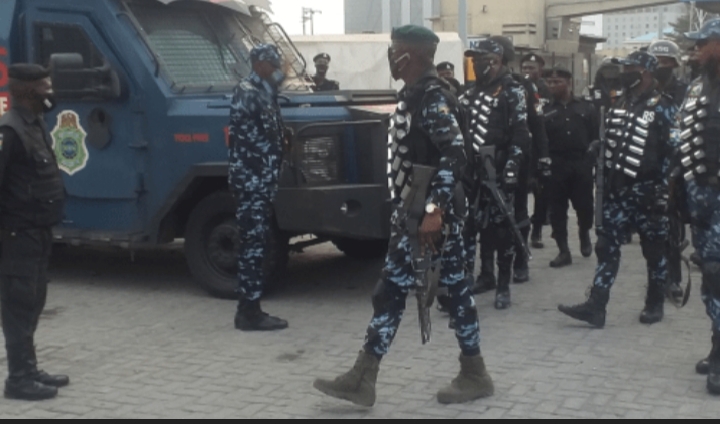
The Kogi State Police Command has arrested three suspects in connection with the killing of a young graduate in Lokoja. According to the command’s spokesperson, ASP Afusat Saliu, the suspects were apprehended on March 25 at Otokiti Estate. Two of them, who allegedly posed as construction workers, lured the victim to a secluded location where they killed him with a shovel before stealing his tricycle. The victim had earlier been declared missing by his family on March 18 after leaving home with his tricycle. His lifeless body was discovered the following day near CBN Zone 8 in Lokoja. Police investigations led to the arrest of the two primary suspects, who reportedly confessed to the crime and disclosed that they sold the stolen tricycle to a third suspect. Saliu added that the police recovered the tricycle along with four other stolen motorcycles from the third suspect in Anyigba, Dekina Local Government Area. Further findings revealed that the suspects are ex-convicts previously linked to multiple cases of murder and armed robbery. They have since been charged in court. The police assured residents of their continued efforts to combat crime and ensure public safety in the state.
Nigeria’s Reforms Showing Results, Warns Against Oil Windfall Spending-World Bank
Nigeria’s ongoing economic reforms are beginning to deliver positive results, according to the World Bank. However, the institution has cautioned the federal government against using increased oil revenues to fund subsidies or excessive spending. Economic Growth Holding Steady In its latest Nigeria Development Update, the World Bank revealed that the country’s economy remains on a steady growth path. Nigeria’s real GDP grew by 4.0% in 2025, slightly below the 4.1% recorded in 2024, with strong contributions from the services sector—particularly ICT, financial services, and real estate. Early indicators for 2026 also point to continued expansion across multiple sectors, despite some global economic tensions. Inflation Eases but Still a Concern One of the most notable improvements is inflation. The report shows that inflation dropped significantly to 15.1% in February 2026, compared to 26.3% a year earlier. Food inflation also declined to 12.1%, offering some relief to households. Despite this progress, inflation remains high, and new pressures are emerging due to rising global energy prices and ongoing tensions in the Middle East. Fuel costs are already reflecting this strain: Petrol prices surged by 45% between February and March Diesel prices nearly doubled to about ₦1,800 per litre These increases could push inflation upward again and worsen the cost of living. External Position Remains Strong Nigeria’s external finances showed resilience in 2025: Current account surplus reached 4.8% of GDP Net reserves rose to $34.8 billion Gross reserves hit $45.5 billion, covering 8.7 months of imports This stability was supported by improved exchange rate competitiveness, steady remittances, and continued foreign investment inflows. Fiscal Pressures Persist Despite stronger non-oil revenues, Nigeria’s fiscal deficit widened slightly to 3.1% of GDP in 2025, up from 2.8% in 2024. This was largely driven by increased government spending—both at federal and state levels. Growth Outlook: Modest but Positive Looking ahead, the World Bank projects Nigeria’s economy will grow at around 4.2% annually between 2026 and 2028. However, the report warns that poverty reduction will remain slow, as job creation struggles to keep pace with population growth and inflation continues to impact household incomes. Warning: Don’t Waste Oil Windfall With global oil prices rising above projections, the World Bank issued a strong warning: treat the extra revenue as temporary. Instead of increasing spending or reintroducing subsidies, the bank recommends: Rebuilding financial buffers Maintaining fiscal discipline Avoiding election-driven spending increases Focus on the Vulnerable If inflation worsens, the World Bank suggests using part of the additional revenue to support vulnerable Nigerians—but only through targeted, time-bound cash transfers, not broad subsidies or price controls. The Bottom Line Nigeria is making progress, but the gains are still fragile. Sustaining growth will depend on: Continued economic reforms Strong fiscal and monetary discipline Investments in infrastructure and human capital The message is clear: stay the course, spend wisely, and protect the most vulnerable.
NDLEA Edo Smashes Major Drug Warehouse, Seizes 1,378kg of Cannabis
Operatives of the National Drug Law Enforcement Agency (NDLEA) in Edo State have uncovered and dismantled a major illicit drug warehouse, arresting a suspected cartel member and seizing a large consignment of cannabis. The operation, carried out by the Edo State Command, followed credible intelligence. NDLEA officers raided an illegal warehouse in the Igbanke community, Orhionmwon Local Government Area, where they recovered 125 bags of dried weeds suspected to be skunk cannabis, weighing a total of 1,378kg. A 37-year-old suspect, Roland Owie, a native of the Igbanke community, was arrested in connection with the seizure. Speaking on the development, the Edo State Commander of the NDLEA, Commander of Narcotics Mitchell Ofoyeju, described the operation as a major breakthrough in the fight against drug trafficking and substance abuse. “This successful operation reflects our relentless pursuit of drug cartels and our strategic focus on supply suppression. Seizing 1,378 kilograms of cannabis in a single raid delivers a significant blow to the distribution network of these harmful substances,” he said. He noted that intercepting such a large quantity prevents the drugs from reaching streets, schools, and communities, thereby protecting young people from the dangers of addiction. Ofoyeju added that supply suppression remains a key pillar of the agency’s strategy, alongside advocacy and rehabilitation efforts. “Every kilogram seized disrupts the criminal economy, weakens trafficking networks, and makes our society safer. This operation sends a clear message that Edo State is not a safe haven for illicit drug activities. We maintain zero tolerance and possess strong intelligence and operational capacity,” he stated. The commander also commended the professionalism of NDLEA officers involved in the operation and urged members of the public to continue supporting the agency with timely and useful information.