

A disturbing case of alleged child abuse in Lagos has sparked public outrage and swift action from authorities, after a viral video showed a woman attacking her teenage daughter in the Ipaja area. According to the Lagos State Domestic and Sexual Violence Agency (DSVA), the incident came to light on April 29, 2026, when footage of the alleged assault began circulating widely on social media. The video triggered immediate concern among residents and prompted rapid intervention from relevant agencies. The DSVA confirmed that the state’s emergency response protocol was activated as soon as the report was received. Officials from the Child Protection Unit under the Ministry of Youth and Social Development quickly stepped in to rescue the 15-year-old girl. The teenager has since been moved to a secure shelter, where she is receiving care, protection, and support services. Authorities also confirmed that the suspect, identified as the girl’s biological mother, was arrested by the Lagos Neighbourhood Safety Corps. She was initially taken to the Ipaja Police Station before her case was transferred to the Family Support Unit of the Nigeria Police Force for further investigation. Following a fast-tracked investigation, the case was charged to court on April 30, 2026. It was heard at Court 23 of the Samuel Ilori Magistrate Court in Ogba, Lagos. The court ordered that the suspect be remanded at the Kirikiri Correctional Centre pending legal advice from the Director of Public Prosecutions (DPP). The DSVA praised members of the public who reported and shared information about the incident, noting that their cooperation played a key role in ensuring the safety of the victim and the swift progress of the case. Reaffirming its stance, the Lagos State Government emphasized its zero-tolerance policy toward all forms of child abuse, stating that it remains committed to protecting victims and holding offenders accountable under the law. The case continues to unfold as authorities pursue justice and reinforce measures aimed at safeguarding children across the state.

Five New BVN Rules by CBN: What Nigerians Must Know Before May 1
The Central Bank of Nigeria (CBN) has introduced new Bank Verification Number (BVN) regulations set to take effect from May 1, 2026. The move is aimed at strengthening banking security and tackling the growing rate of financial fraud in Nigeria. These rules will apply to all banks, fintech platforms, and licensed financial institutions across the country. Key Highlights of the New BVN Rules Why These Changes Matter According to the CBN, the new policies are designed to protect customers from identity theft, account takeovers, and other digital banking threats. With the rise in online transactions, stricter security measures have become necessary. For Nigerians, this means being more cautious when changing phone numbers, switching devices, or managing bank accounts. While the rules may seem restrictive, they are intended to improve trust and safety in the financial system.

Three Nigerian men and a Thai woman have been arrested in Thailand over an alleged romance scam operation.
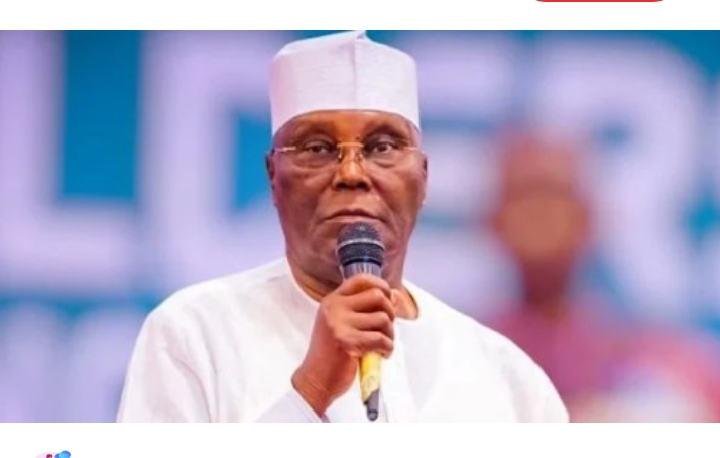
Atiku’s US Lobby Firm Warns Tinubu, Pushes for Possible Sanctions Over Insecurity and Elections
A Washington-based lobbying firm, Von Batten-Montague-York, L.C., has issued a strong warning to President Bola Ahmed Tinubu, raising concerns over Nigeria’s security situation and the integrity of its electoral process. In a statement shared on X, the firm revealed that it has begun briefing officials within the administration of US President Donald Trump on developments in Nigeria. These discussions reportedly focus on allegations of election interference and ongoing violence across parts of the country. Growing International Attention While acknowledging Tinubu’s long-standing political career, the firm stated that his presidency is facing increasing criticism among Nigerians. It emphasized that its role is not to interfere with Nigeria’s leadership but to advocate for democratic accountability. “As American-registered foreign agents, we have no authority to remove a sitting leader. That power lies solely with the Nigerian people,” the firm noted. Atiku’s Role in the Engagement The lobbying effort is tied to a contract with former Vice President Atiku Abubakar. According to the firm, its mandate is to push for stronger US engagement on issues related to democracy, security, and human rights in Nigeria. The statement clarified that Atiku is not positioning himself as an adversary but as a concerned statesman advocating for peace and credible elections. Threat of Sanctions One of the most significant parts of the statement is the warning of potential sanctions. The firm indicated it may push for punitive actions under the Global Magnitsky framework if credible evidence links Nigerian officials to human rights violations or electoral malpractice. Such sanctions could include freezing assets and restricting international financial access. Democracy and Accountability The firm also stressed that political power in Nigeria ultimately belongs to the people, not individuals in office. “The presidency is not a birthright, but a privilege granted by citizens,” the statement said, reinforcing the idea that leadership is determined by the electorate. Concerns Over Electoral Integrity Additionally, the lobbying group raised concerns about the role of Nigeria’s electoral body and its ability to guarantee free and fair elections. It warned that any weaknesses in the system could undermine public trust and democratic stability. What This Means Going Forward With a reported $1.2 million contract signed in March 2026, the firm is expected to continue engaging US policymakers, including Congress and the National Security Council, as Nigeria moves closer to the 2027 general elections. This development signals increasing international scrutiny of Nigeria’s political climate—particularly around security challenges and electoral transparency.

AFAN Urges FG to Set Up National Committee to Tackle Farmer–Herder Clashes
Nigeria’s agricultural sector continues to face serious setbacks as insecurity keeps many farmers away from their farmlands. In response, the All-Farmers Association of Nigeria (AFAN) has called on the Federal Government of Nigeria to take decisive action by establishing a national committee focused on preventing farmer–herder conflicts. Speaking at Vanguard’s Economic Discourse in Lagos, AFAN President Mohammed Magaji highlighted how rising insecurity—especially in the North-West and North-East—has significantly reduced farming activities and food production across the country. Insecurity Threatens Food Production According to Magaji, many farmers are simply unable to access their land due to safety concerns. In some areas, particularly Kaduna State, farmers who once produced large quantities of crops, such as maize, have been forced to abandon their farms entirely. He emphasized that the issue goes beyond farmer–herder clashes. Widespread banditry and insurgency, including attacks linked to Boko Haram, have made farming nearly impossible in several regions. In states like Borno State, where farmers previously cultivated crops across multiple seasons, up to 80% of local government areas are now considered unsafe for farming. Why a Prevention Committee Matters AFAN is proposing a shift in strategy—from reacting to conflicts after they happen to preventing them before they escalate. The suggested national committee would include security experts, intellectuals, and key stakeholders tasked with developing proactive solutions. Magaji pointed to Gombe State as a success story, where adopting a conflict prevention approach has significantly reduced clashes between farmers and herders. The Way Forward The call is clear: without improved security, Nigeria’s agricultural productivity will continue to decline. AFAN believes that with stronger government intervention—particularly in tackling banditry and insurgency—farmers can safely return to their land and boost food production nationwide. As the situation unfolds, all eyes are now on the Federal Government to act swiftly and implement long-term solutions that will restore confidence in Nigeria’s farming communities.