
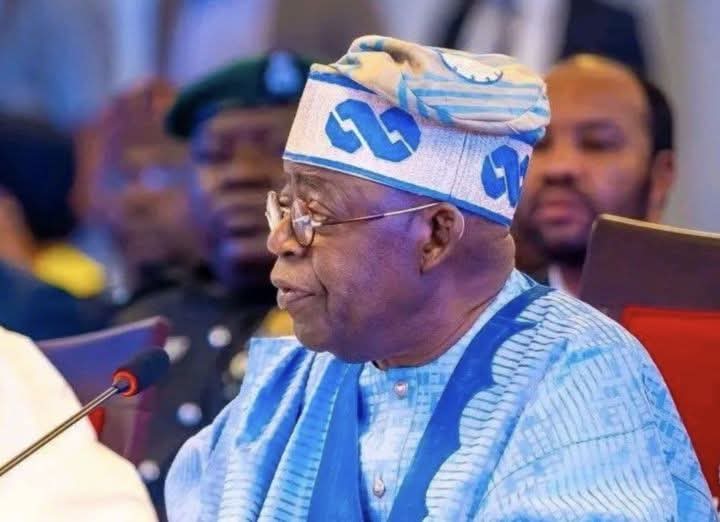
President Bola Ahmed Tinubu has disclosed that Nigeria will spend $11.6 billion on debt servicing in 2026, with nearly half of the country’s projected revenue allocated to repayments.
Speaking at the Africa Forward Summit in Nairobi, Tinubu said the burden of debt servicing continues to limit investments in key sectors of the economy.
“Every dollar used to service debt is a dollar not invested in critical areas like steel, textiles, agriculture, digital innovation, or human capital development,” he said.
The president criticised the global financial system, noting that African countries are often treated as high-risk borrowers despite ongoing reforms. He argued that this perception drives up borrowing costs and restricts access to affordable, long-term financing needed for industrial growth.
“Our industrial base is being starved of the capital it needs, while international lenders and rating agencies maintain a high-risk outlook on African economies,” Tinubu stated.
He added that high borrowing costs—often five to ten times higher than in developed regions—make it difficult for African manufacturers to compete globally or build sustainable value chains under the African Continental Free Trade Area (AfCFTA).
According to Tinubu, the current global financial structure is hindering Africa’s industrialisation and deepening infrastructure financing gaps.
Highlighting recent economic reforms, the president said Nigeria has taken “painful but necessary” steps to stabilise its economy. These include the removal of petrol subsidies, exchange rate unification, banking sector recapitalisation, and exiting the Financial Action Task Force (FATF) grey list.
He noted that these measures have contributed to a projected debt-to-GDP ratio of 32.3% in 2026, external reserves of $45.5 billion, and renewed investor confidence.
Tinubu concluded by calling for a reformed global financial system that supports Africa’s industrial ambitions, enabling countries to process raw materials, refine crude oil, manufacture goods, and compete fairly in the global market.