
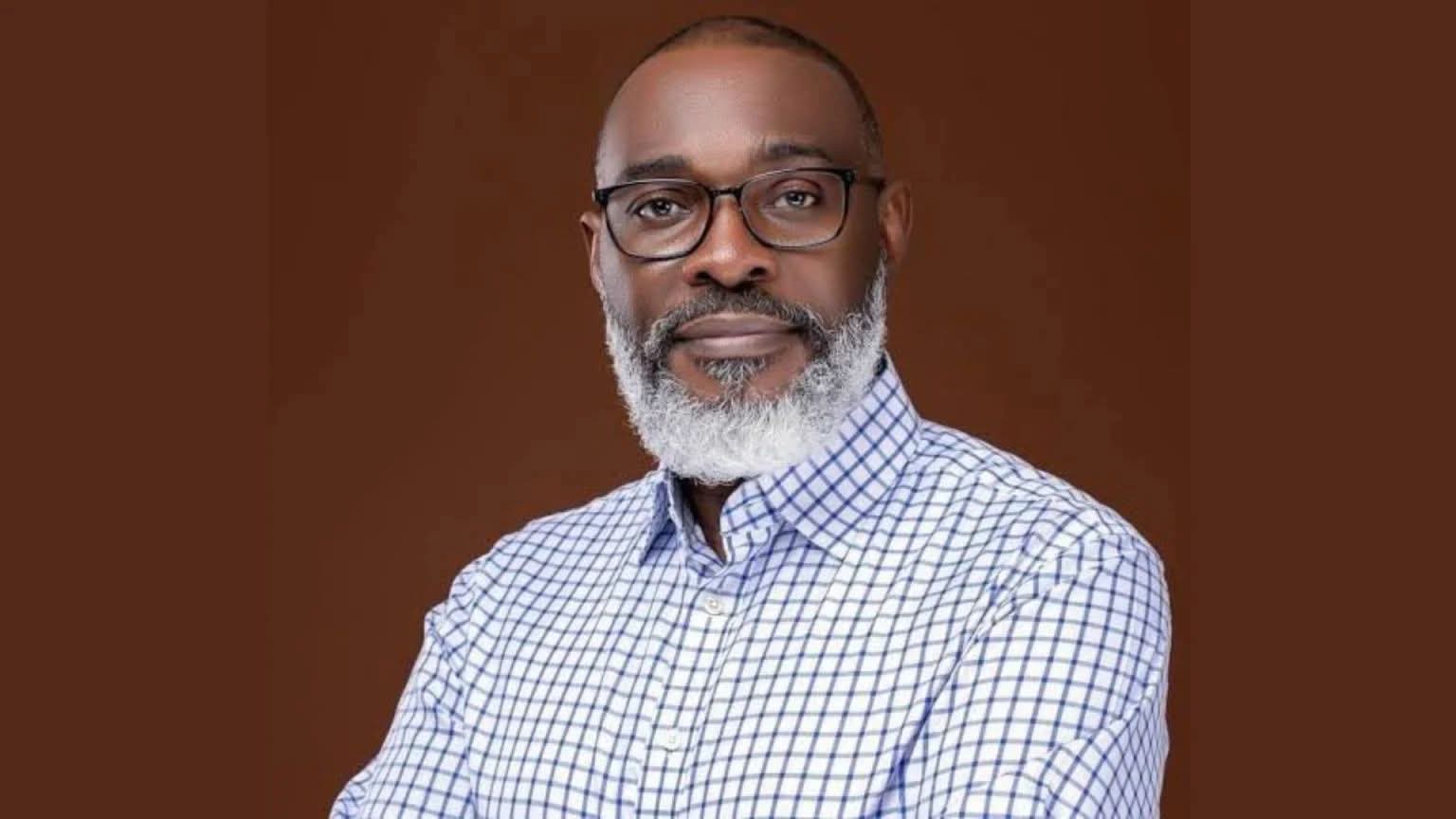
A new concept has entered Nigeria’s security framework — homeland security — and retired Major General Adeyinka Famadewa has been appointed to lead its implementation.
His appointment, announced on Monday by the Office of the Secretary to the Government of the Federation (OSGF), has drawn attention not just because of the role itself, but also because of his long-standing views on how Nigeria approaches security.
Before now, Famadewa was largely known within defence and intelligence circles. His emergence into the national spotlight has sparked mixed reactions, with some observers questioning whether the role represents meaningful reform or another structural addition to an already complex security system.
As special adviser on homeland security, he is expected to strengthen coordination across agencies, improve intelligence sharing, and promote proactive strategies to address threats across the country.
From chemistry to intelligence leadership
Famadewa, a native of Ile-Ife in Osun state, began his military career in 1990 after being commissioned into the Nigerian Army Intelligence Corps as part of the 37 Regular Course of the Nigerian Defence Academy (NDA), Kaduna.
He holds a degree in chemistry from the NDA, a master’s degree in business administration from the Federal University of Technology, Akure, and a master’s in strategic studies from the University of Ibadan.
His professional development includes training at top institutions such as Harvard University’s Kennedy School of Government, the Canadian Forces College in Toronto, the George Marshall Center in Germany, and the Galilee International Management Institute in Israel. He is also a fellow of the National Defence College (NDC).
Throughout his career, he held several key positions, including chief instructor at the Nigerian Army Intelligence School in Lagos, deputy director of technical development at the Defence Intelligence Agency (DIA), commander of the Nigerian Army’s counter-intelligence command, and director at the intelligence production centre.
He also served in the United Nations Mission in Sudan (UNMIS) and received multiple honours, including the Meritorious Service Star (MSS).
A different perspective on national security
Famadewa has consistently criticised Nigeria’s reliance on the military as the primary solution to insecurity, advocating instead for a broader, more integrated strategy.
In a 2023 article, he compared Nigeria’s security discourse to Salt-N-Pepa’s song “Let’s Talk About Sex,” arguing that while the topic is widely discussed, meaningful outcomes remain limited.
He has called for a clearer definition of national security and a comprehensive review of Nigeria’s security strategy. He also emphasised the importance of cultural and linguistic understanding, suggesting that military personnel should be proficient in major Nigerian languages — Hausa, Igbo, and Yoruba — to improve effectiveness in operations.
Bridging theory and practice
One of Famadewa’s most notable contributions is the establishment of the Intelligence Fusion Centre (IFC) at the Office of the National Security Adviser (ONSA).
Between 2015 and 2021, he served as principal general staff officer to the NSA, during which time the IFC was developed to unify intelligence from agencies such as the DSS, NIA, DIA, and the Nigeria Police.
The initiative aimed to enhance coordination and improve Nigeria’s ability to detect and respond to threats more efficiently. His work in this area is widely regarded as a key step in modernising the country’s intelligence-sharing framework.
More recently, he has advocated for a reassessment of Nigeria’s intelligence systems to better anticipate and prevent attacks, particularly from insurgent groups.
Research and contributions after retirement
Following his retirement, Famadewa became a senior research fellow at the Nigerian Army Resource Centre in Abuja, where he focused on policing, civil-security collaboration, and reforms within the security sector.
He is also the author of “Policing and National Security in Nigeria,” a monograph that explores ways to improve cooperation among security agencies and strengthen national safety structures.
Famadewa’s new role offers him the opportunity to move from critique to implementation — testing whether his long-held ideas can translate into tangible improvements in Nigeria’s security landscape.