
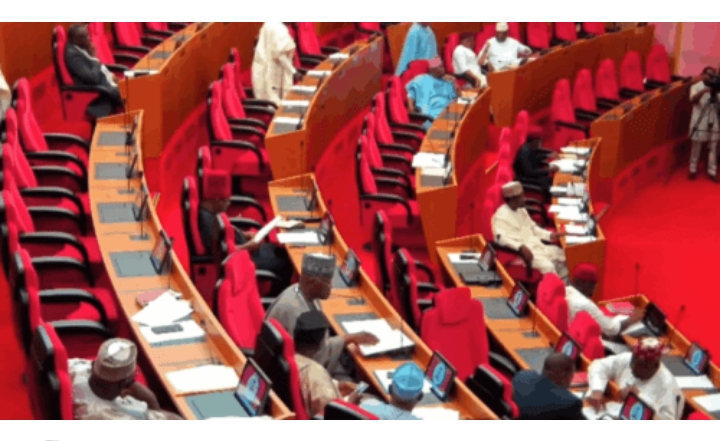
The Nigerian Senate has amended its standing rules, introducing stricter eligibility criteria for leadership positions in the chamber.
Under the new amendment, only senators who have served at least two consecutive terms — equivalent to eight years — can contest for top presiding offices such as Senate President and Deputy Senate President.
The decision was adopted during plenary on Tuesday through a voice vote presided over by Senate President, Godswill Akpabio, following a closed-door session that reportedly lasted about three hours.
Key Changes to Senate Rules
The revised rules also affect eligibility for principal offices, including Senate Leader, Chief Whip, Minority Leader, and their deputies. Going forward, only senators who have completed two consecutive terms immediately before nomination can contest for these roles.
Additionally, amendments to Orders 4 and 5 now emphasize strict adherence to ranking when nominating candidates for leadership positions. Ranking is determined by prior experience, including former presiding officers, principal officers, returning senators, former House of Representatives members, and, where necessary, first-time senators.
Impact on 2027 Senate Leadership
The amendment is seen as a significant move ahead of the 2027 elections, as it effectively excludes incoming senators and limits the pool of potential contenders for leadership roles.
This development comes amid speculation that some former senators may seek a return to the chamber and possibly contest for top positions.
Other Notable Amendments
Beyond leadership eligibility, the Senate introduced several procedural changes:
Plenary Sessions: Now scheduled for Tuesdays to Thursdays, from 11:00 a.m. to 3:00 p.m., unless extended.
Committee Meetings: Fixed between 3:00 p.m. and 6:00 p.m., Monday to Friday (with some exceptions).
Committee Structure: Each committee will have between seven and 25 members, and no senator can serve on more than seven committees.
Suspension Rule: Suspended senators must withdraw from plenary as directed, with duration determined by the Senate.
New Committee: A committee on reparation and repatriation has been established.
An unusual but notable change also allows presiding officers and nominees undergoing screening to drink water during plenary sessions.
Dissenting Voice
Senator Adams Oshiomhole was the only lawmaker to oppose the amendment during the voice vote. His attempt to raise a point of order was reportedly overruled by the Senate President.