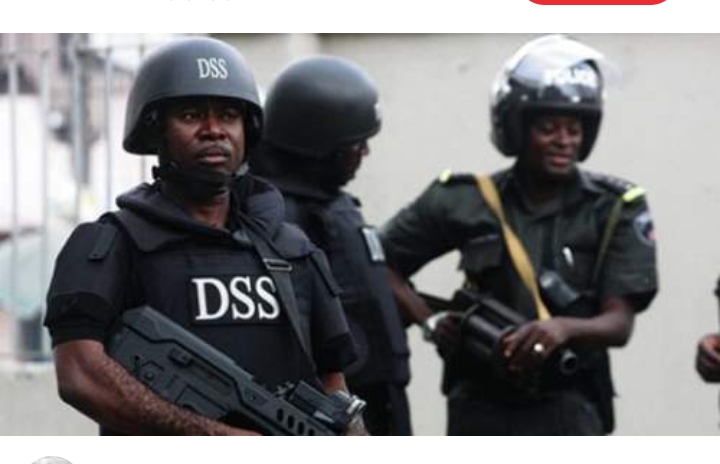
The Socio-Economic Rights and Accountability Project (SERAP) has strongly opposed a recent judgment by a Federal Capital Territory High Court, which awarded ₦100 million in damages to officials of the Department of State Services (DSS) in a defamation case.
The ruling, delivered by Justice Yusuf Halilu, also directed SERAP to issue a public apology, pay ₦1 million in legal costs, and a 10 percent annual interest on the damages until the full amount is settled.
Background of the Case
The lawsuit was initiated by two DSS officials, Sarah John and Gabriel Ogundele, following statements released by SERAP in September 2024. In those statements, the organization alleged that DSS operatives unlawfully entered its Abuja office.
The incident reportedly occurred after SERAP called on the federal government to investigate issues involving the Nigerian National Petroleum Company (NNPC) Limited and to reverse fuel price increases.
SERAP Reacts
In response to the judgment, SERAP described the decision as “unacceptable” and a significant setback for civil liberties in Nigeria.
The organization argued that the ruling reflects a growing trend of using defamation laws to silence criticism and weaken accountability. According to SERAP, the case represents what is known as a Strategic Lawsuit Against Public Participation (SLAPP), which is often used to intimidate civil society groups and discourage advocacy.
Plans to Appeal
SERAP has confirmed that it will challenge the judgment at the appellate court. The organization maintains that its actions were lawful and carried out in the public interest, particularly in promoting transparency and fighting corruption.
Wider Implications
SERAP warned that the ruling could have a chilling effect on freedom of expression and civic engagement in Nigeria. It emphasized that such decisions may discourage individuals and organizations from speaking out on issues of public concern.
As the case moves to the appellate level, it is expected to spark further debate on the balance between protecting reputations and safeguarding free speech in Nigeria.