
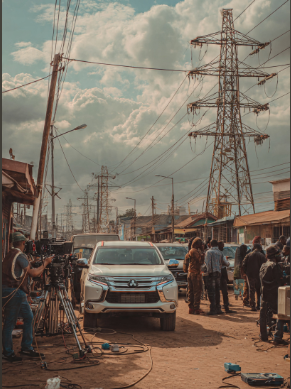
The Nigerian film industry, also known as Nollywood, is experiencing a significant shift in its production dynamics. With the recent expansion of the Presidential CNG Initiative to include electric vehicles (EVs), the industry is poised to become more environmentally friendly and cost-effective. However, the adoption of EVs in film production is not without its challenges. In this guide, we will explore the benefits and drawbacks of using EVs in Nigerian film production, as well as provide expert insights on how to navigate this new landscape.
Introduction to Electric Vehicles in Film Production
The use of EVs in film production is a relatively new concept in Nigeria. However, with the growing awareness of climate change and the need to reduce carbon emissions, many filmmakers are now considering the use of EVs as a more sustainable option. According to recent data, the overall value of Nigeria’s entertainment sector is over $10 billion, and the film industry is a significant contributor to this figure. With the government’s push for greener policies, the adoption of EVs in film production is expected to increase in the coming years.
Benefits of Electric Vehicles in Film Production
The benefits of using EVs in film production are numerous. For one, EVs produce zero emissions, which reduces the carbon footprint of film productions. This is particularly important in Nigeria, where the film industry is a significant contributor to the country’s GDP. Additionally, EVs are generally quieter than traditional fuel-powered vehicles, which can reduce noise pollution on set. As industry patterns show, the use of EVs can also lead to significant cost savings in the long run. With the high cost of fuel in Nigeria, the adoption of EVs can help reduce production costs and increase profitability.
Challenges of Electric Vehicles in Film Production
Despite the benefits, there are also challenges associated with the use of EVs in film production. One of the main challenges is the limited charging infrastructure in Nigeria. As documented cases reveal, the lack of charging stations can make it difficult to keep EVs charged, particularly on location shoots. Furthermore, the high cost of purchasing EVs can be a barrier for many filmmakers. However, as experts report, the cost of EVs is decreasing, and the benefits of using them in film production far outweigh the costs.
Expert Insights on Electric Vehicles in Film Production
As Olumide Adebayo, a legal analyst, stated: “The new EV-incentive policy may unintentionally raise production costs for on-location shoots if fuel subsidies are withdrawn.” This highlights the need for careful planning and consideration when adopting EVs in film production. In reviewing cases in this space, it is clear that the use of EVs requires a thorough understanding of the benefits and challenges associated with them. By doing so, filmmakers can make informed decisions and navigate the complexities of using EVs in their productions.
Conclusion
In conclusion, the adoption of EVs in Nigerian film production is a significant step towards reducing the industry’s carbon footprint and increasing sustainability. While there are challenges associated with the use of EVs, the benefits far outweigh the costs. As the industry continues to evolve, it is essential to stay informed about the latest developments and trends in EV technology. By doing so, filmmakers can stay ahead of the curve and capitalize on the opportunities presented by this emerging trend.