
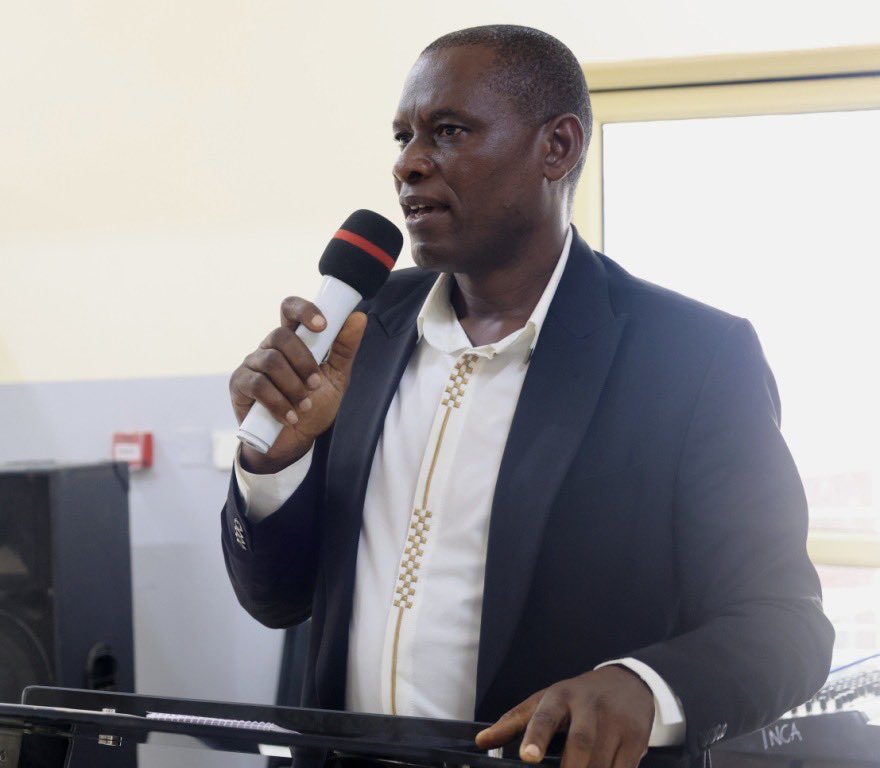
The Executive Chairman of the Economic and Financial Crimes Commission (EFCC), Ola Olukoyede, has urged Nigerian youths to channel their creative energies into productive and legitimate ventures, rather than engaging in internet fraud and other corrupt practices. Olukoyede gave the charge on Thursday, May 21, 2026, during the inauguration of an Integrity Club at NAOWA College, Abuja. Represented by the EFCC’s Head of Public Interface Unit, Tony Orilade, the chairman described internet fraud as a reprehensible crime with no justification. He advised students to “channel their creative energies into useful engagements and not into dishonest and dubious means of cheating others of their resources,” stressing that penalties for economic crimes are severe. Olukoyede defined corruption as “the compromise of rules, regulations, policies, standards, and directive principles guiding a system,” as well as “the deliberate use of public opportunities, resources, and privileges for private gain.” He also educated students on offences under the EFCC’s mandate, including money laundering, embezzlement, forgery, advance fee fraud, contract scams, employment scams, land and property fraud, tax fraud, internet fraud, stealing, bribery, procurement fraud, and banking fraud. Speaking on the purpose of the Integrity Club, he said it aims to promote transparency, raise awareness about the dangers of corruption, instill accountability, encourage information sharing with the EFCC, and prepare students for leadership roles. “Every form of internet fraud—such as romance scams, business email compromise, hacking, impersonation, and forex scams—is a corrupt practice and must not be found among you,” he warned. Also speaking, the Head of Enlightenment and Re-Orientation Unit, Aisha Mohammed, encouraged students to take ownership of their future by resisting peer pressure and avoiding corrupt tendencies. She noted that the EFCC prioritizes prevention through public enlightenment and re-orientation. According to her, the Commission runs Integrity Clubs in primary and secondary schools and Zero Tolerance Clubs in tertiary institutions, while also partnering with the National Youth Service Corps, faith-based organisations, and civil society groups to promote ethical values. “You have to stay focused and pursue your aspirations,” she advised, adding that integrity is key to national development. “Your voice matters. You must contribute positively to your family, community, and Nigeria as a whole.” In his remarks, the Director of Administration at NAOWA College, F. E. Enenche, urged students to become responsible and morally upright leaders. He described the establishment of the Integrity Club as a vital step toward fostering a culture of transparency and accountability among young people, while commending the EFCC for its continued efforts in promoting integrity nationwide.