
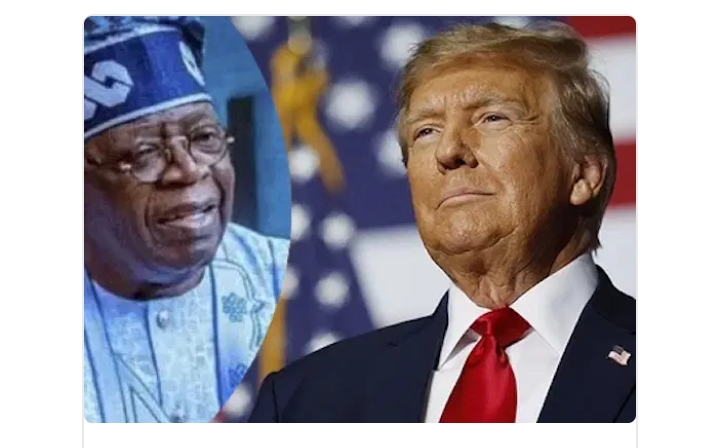
The United States, in coordination with Nigerian authorities, has carried out airstrikes in Sokoto State, reportedly killing an ISIS commander and several fighters. US President Donald Trump announced the operation, describing it as a “powerful and deadly strike” targeting Islamic State militants in northwestern Nigeria. According to him, the action followed earlier warnings to the group over continued attacks on civilians. US Africa Command confirmed the strikes, noting they were conducted in collaboration with Nigeria as part of ongoing security cooperation. A US official also disclosed that multiple targets were eliminated during the operation. Nigerian authorities said the strikes were the result of intelligence sharing and joint strategic planning between both countries, as efforts intensify to tackle insurgency and armed groups across the region. President Bola Ahmed Tinubu called for peace and unity, stressing the need to protect all Nigerians regardless of religion. He reaffirmed his administration’s commitment to safeguarding lives and upholding religious freedom. Security analysts believe the operation likely targeted fighters linked to the Islamic State Sahel Province (ISSP), also known locally as Lakurawa, a group increasingly active in parts of Sokoto and Kebbi states. Nigeria continues to face security challenges from multiple armed groups, including factions affiliated with the Islamic State such as ISWAP, an offshoot of Boko Haram operating mainly in the northeast. The latest strike marks a significant escalation in joint efforts between the US and Nigeria to combat terrorism, particularly in the country’s northwest, where attacks on communities and security forces have intensified in recent months.
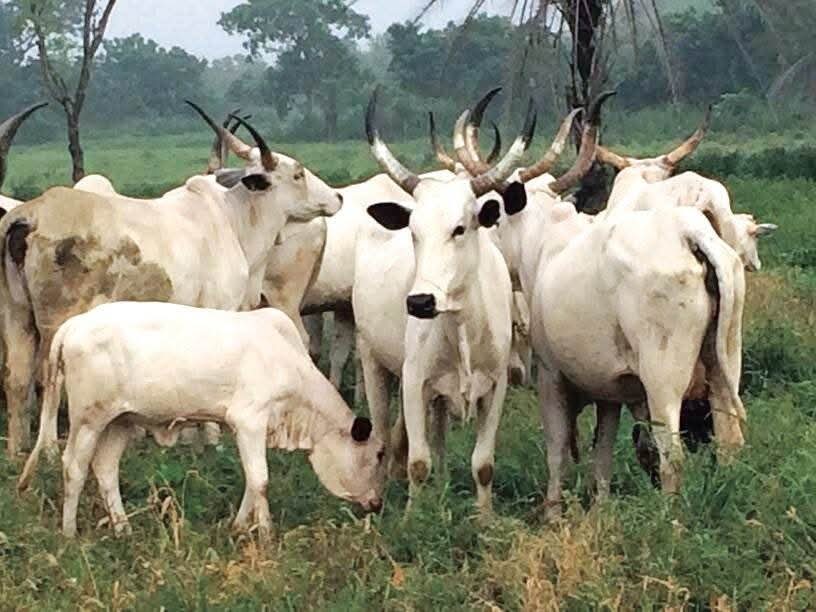
Drama in Kwara Market as Stolen Cows Identify Owners, Expose Suspect
An unusual scene unfolded at Ajase-Ipo market in Ifelodun LGA of Kwara State when five suspected stolen cows reportedly recognised their rightful owners, leading to the arrest of a suspected cattle rustler. The incident occurred on January 11, 2026, during a routine livestock trading day. A man identified as Mohammed Jabi had brought the cows for sale, unaware that their original owners were already searching markets for the missing animals. As the herders approached the section where the cows were tied, the animals suddenly became agitated, pulling at their ropes and reacting strongly, as though recognising familiar faces. The behaviour drew attention from traders and buyers nearby. Moments later, the herders identified the cows, citing distinct physical features. When questioned, the suspect reportedly failed to give a credible account of ownership. Market authorities alerted security operatives, who arrested Jabi. Investigations linked him to a suspected bandit network operating across Kwara, Niger, and Kogi states. The cattle were believed to have been stolen and brought to the market for sale to support the group’s activities. The cows were later returned to their owners, while authorities intensified efforts to apprehend other members of the network. For many witnesses, however, the most striking part of the incident was the role the animals themselves played in exposing the crime.